Can police search license plate databases without a warrant?
A Cleveland robbery case at the Sixth Circuit asks whether police need a warrant to search Flock and ELSAG plate reader data. This piece covers what the cameras log, how long the data stays, Norfolk's "not today" ruling, what EFF is asking for and what is still unknown.
views
Cleveland police were hunting a car tied to a string of robberies, did not know its plate, and searched two license plate reader databases, Flock and ELSAG, anyway.
That is how the Electronic Frontier Foundation (EFF) describes the search in announcing its brief to the appeals court: police ran "an open-ended search of two ALPR databases" for a car whose plate they did not know.

EFF's brief sums up the trial court's finding: the defendant had "no reasonable expectation of privacy in his license plate number."
The trial court in United States v. Sturdivant found no warrant was needed.
The case now sits with the Sixth Circuit. EFF hopes that court will reverse the lower court and "hold that ALPR searches require a warrant."
EFF and the American Civil Liberties Union filed that brief together as friends of the court, dated November 9, 2026.
A separate brief came the same day from the Institute for Justice, asking the court to make clear that using license plate readers to track people is a Fourth Amendment search.
That makes three groups, in two briefs filed on one day, asking the Sixth Circuit to treat these searches as something the Fourth Amendment covers.

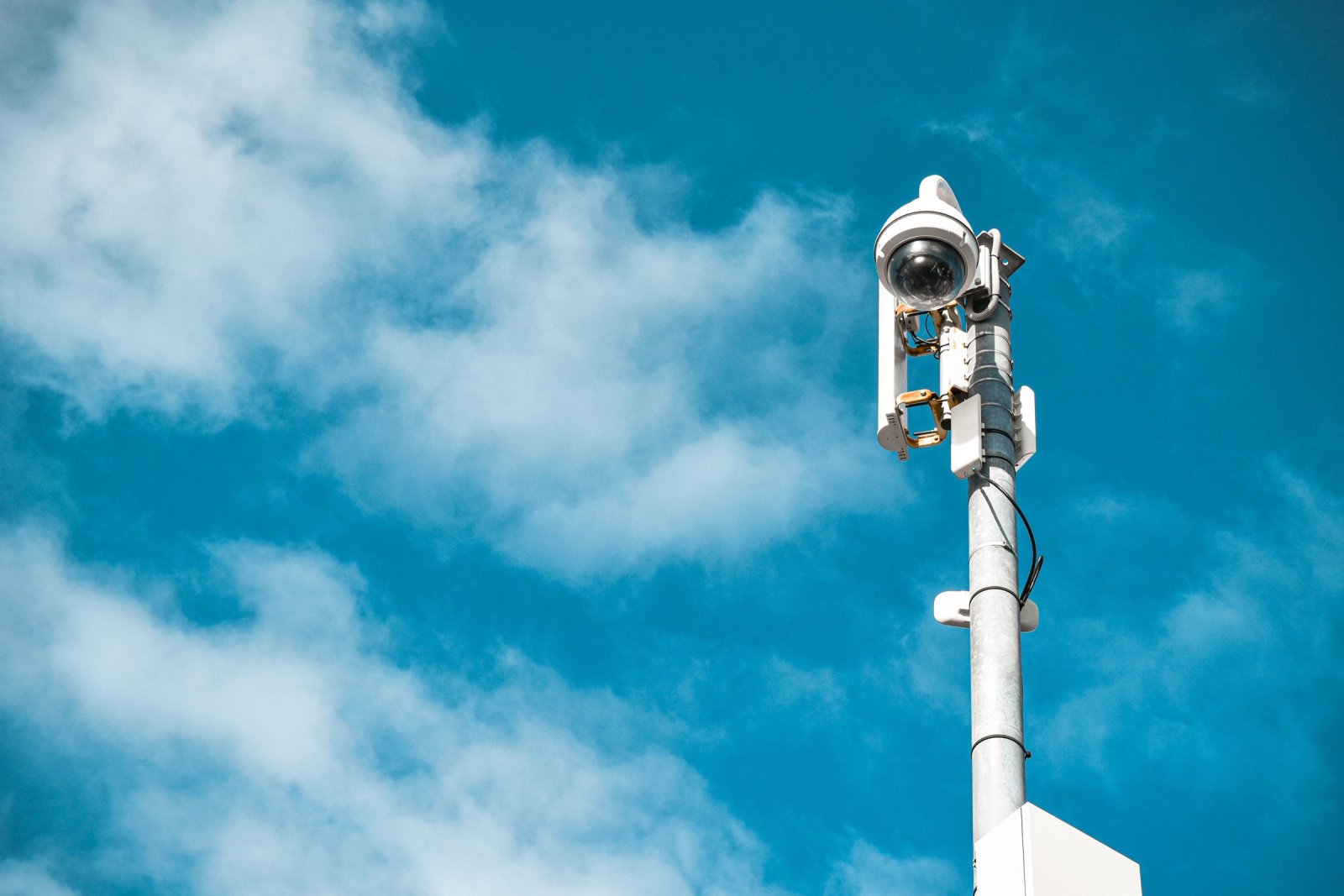
The cameras behind all this do one plain job. In EFF's description, they "photograph every passing car and log where and when it was captured."
The sources give three figures for how long that log is kept, and they are not the same kind of number:
- Norfolk, Virginia, 176 Flock cameras, per WHRO: 21 days
- What Flock had been recommending, per the Wisconsin Examiner: 30 days
- Flock's recommendation from August 2026, per the same report: 7 days
The Norfolk figure is what the city does. Photos from its cameras sit in a database searchable by law enforcement officials in Virginia for 21 days, WHRO reported.
Flock's 7 days is a recommendation with two catches. It is not automatic for existing customers, and police can still search without a judge, according to the Wisconsin Examiner, which ran the news under a headline about Flock tightening safeguards as states and cities question its surveillance network.
The legal fight is about what, exactly, gets searched.
The trial court's finding, in the words EFF's brief quotes, was about "his license plate number."
EFF argues that a searchable ALPR database works as "a virtual time machine to view suspects', or anyone else's, past movements (and much more) with just the click of a button."
EFF's own phrase, "or anyone else's," reaches past the defendant to every driver in the log.
The Institute for Justice puts the same idea in a single verb, asking the court to treat using the readers to "track people" as a search.
The trial court read one line of the ledger, and EFF is pointing at the whole book.
A federal judge in Norfolk, Virginia, reached a similar result this year in a lawsuit challenging the city's use of Flock cameras.
Judge Mark Davis ruled on January 27, 2026 that the cameras did not violate the Fourth Amendment. WHRO put it plainly: "at least in Norfolk, Virginia, the answer is: not today."
"Not today" is a verdict with a date stamped on it, which is more honesty than most forecasts manage.
The plaintiffs plan to appeal.
Davis had let the case go ahead in February 2025 on the theory that the cameras track movements over time, an Institute for Justice release says.
That theory sits close to the one EFF and the Institute for Justice now put to the Sixth Circuit. In Norfolk it kept the lawsuit alive in 2025 and did not win it in 2026.
Flock calls the outcome a legal win, under a blog headline saying a federal court confirms license plate readers are constitutional.
WHRO's headline on the same ruling says the cameras don't invade people's privacy "yet," which is a different word to end on.
The company also says the decision turned on the specifics of the Norfolk program. By Flock's own account, the ruling rests on one city's setup, which is a long way from an open-ended search of two databases with no plate to start from.
As things stand, the Sturdivant trial court allowed an open-ended search of Flock and ELSAG for a car with no known plate.
EFF asks the Sixth Circuit to reverse that and hold that searches like it require a warrant.
Flock's August changes, as the Wisconsin Examiner reported them, still leave police able to search without a judge.
The Fourth Amendment's own text ties a warrant to probable cause and to a particular description of the place to be searched and the things to be seized.
EFF's stated aim is about searches. It says nothing about the cameras on the poles, the photographing of every passing car, or how long the photos are kept, and the 21, 30 and 7 days above come from a city's practice and a company's recommendations.
Much is still open. None of the sources say when the Sixth Circuit will rule, how a warrant standard for plate searches would work day to day, how much an officer would have to show to get one, or what would happen to the evidence already gathered in Sturdivant. The Institute for Justice pages and the Wisconsin Examiner article were not available at the time of writing.
A plate is public one car at a time, and the Sixth Circuit now has to decide whether a month of them still is.

Dana Zhaksybekova
I cover how markets and inflation change what households can save.
View profile
Leave a Comment