Foundayo for Sleep Apnea: What the Trial Shows Next to Zepbound and CPAP
Lilly's Foundayo pill lowered AHI from baseline in a 52-week Phase 3 trial, and Lilly plans to file with the FDA for sleep apnea by the end of 2026. This piece compares it with Zepbound and CPAP, shows what the trial measured and lists what the sources still leave unknown.
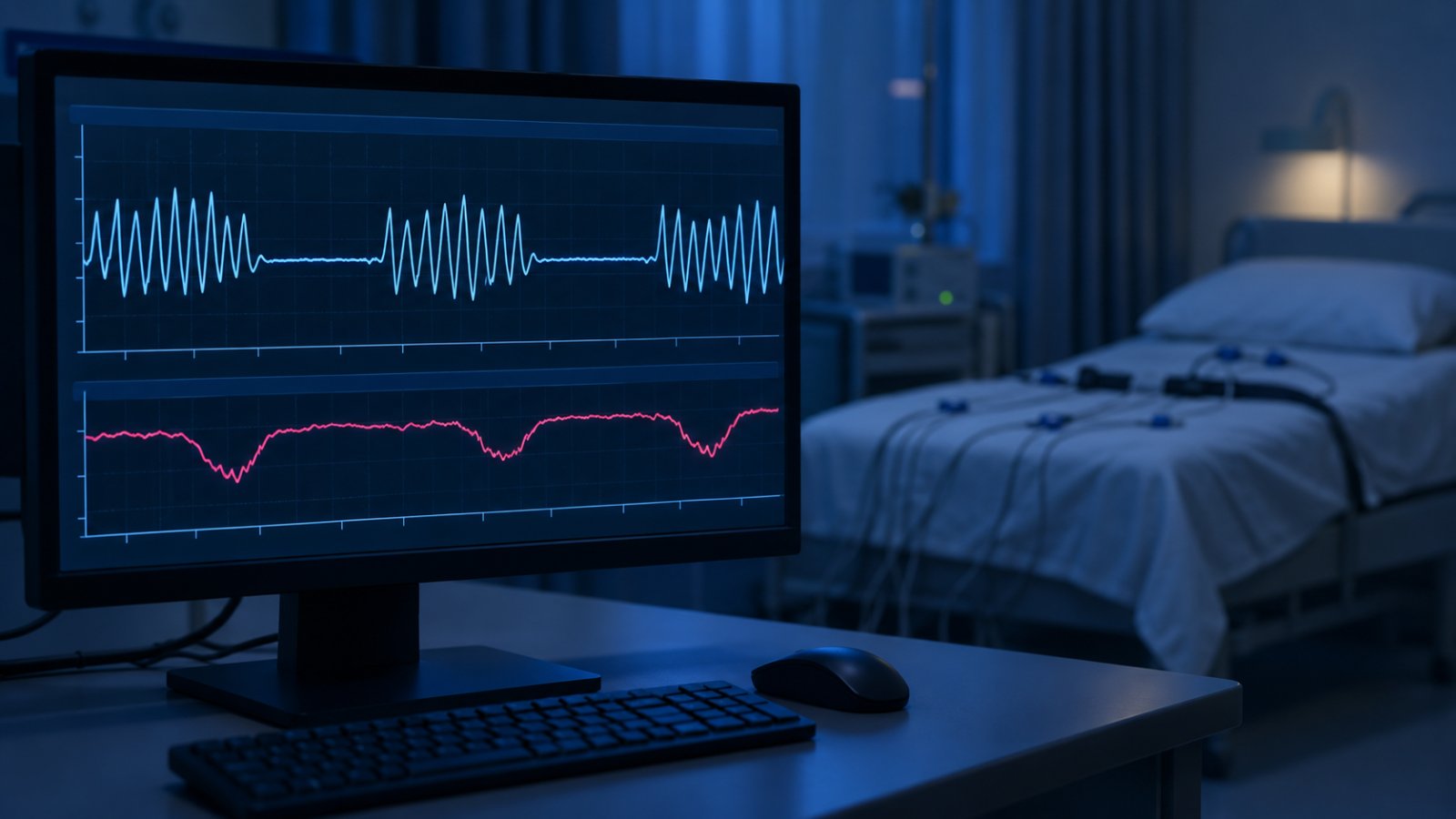
views
Foundayo, Lilly's daily pill, is not approved for obstructive sleep apnea (OSA). It has been approved in the US for obesity since April 2026. Lilly plans to submit it to the FDA by the end of 2026 for moderate-to-severe OSA in adults with obesity or overweight. In the Phase 3 ATTAIN-OSA trial, the apnea-hypopnea index (AHI) fell 43.8% from baseline in people not using a PAP machine. In people who were on PAP, it fell 27.5% from baseline. The sources don't give the placebo groups' AHI change, and the trial did not compare the pill with CPAP.
Where CPAP, Zepbound and Foundayo stand in November 2026
| CPAP | Zepbound | Foundayo | |
|---|---|---|---|
| Form | Machine and mask, worn during sleep | Injection | Daily pill. In the trial, it started at 0.8 mg and went up every four weeks to a maximum tolerated dose of 9 mg (this was the trial protocol, not a dosing guide) |
| How it acts on OSA | Pressurized air works as a splint to hold the airway open | Weight-loss medicine; does not hold the airway open | Oral GLP-1 weight-loss pill; does not hold the airway open |
| Status for OSA | Standard treatment; the Sleep Foundation calls it the gold standard | FDA-approved for OSA since December 2024 | Approved for obesity on April 1, 2026; filing for OSA planned by end of 2026 |
| Who it is for | People with OSA | Adults with OSA and obesity, in combination with diet and exercise | Planned filing: adults with moderate-to-severe OSA and obesity or overweight |
| Evidence in these sources | No trial figure in these sources | SURMOUNT-OSA, with PAP: 50% reached remission or mild, non-symptomatic OSA vs 14% on placebo | ATTAIN-OSA, Phase 3, 52 weeks: AHI down 43.8% from baseline without PAP, 27.5% on PAP |
What goes wrong in the airway
In OSA, the soft tissues of the throat relax during sleep and the airway narrows or closes. Breathing stops or turns shallow, again and again, and a sleep study counts those events per hour of sleep as the AHI.
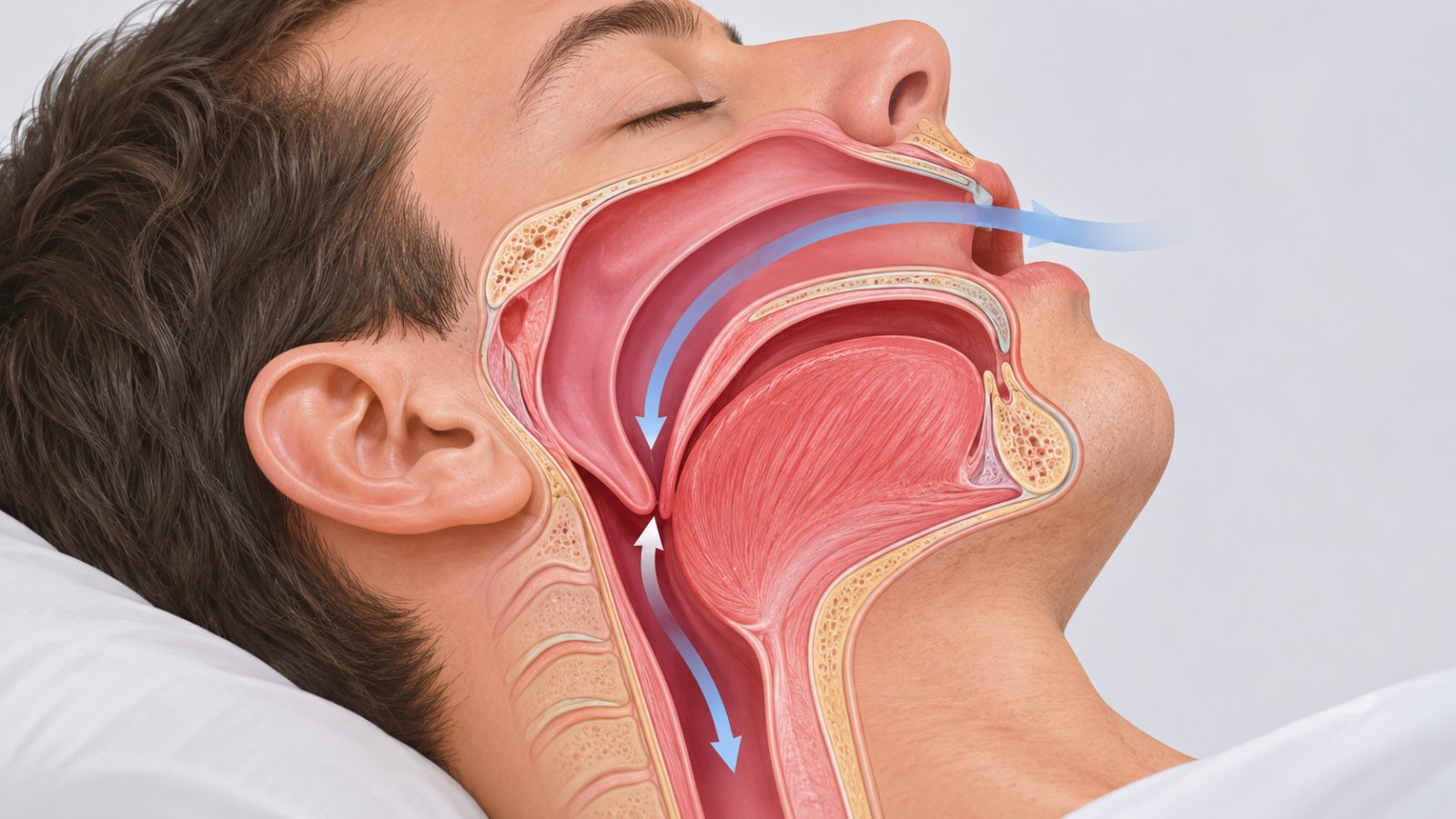
CPAP works on the airway directly. According to the Sleep Foundation, the machine sends pressurized air through a mask, and that air works as a splint that keeps the airway open. The Sleep Foundation calls CPAP the gold standard for OSA. It also says: "The biggest problem with CPAP therapy is that many people choose not to use their CPAP machine."
The mask only helps on the nights it is worn.
Neither drug holds the airway open. Zepbound and Foundayo are weight-loss medicines, and excess body weight is a well-known risk factor for OSA. Zepbound, Lilly's injectable, was approved in December 2024 in what BioSpace called the first-ever sleep apnea drug approval. That approval was based on the SURMOUNT-OSA trial.
Foundayo is already on sale for weight loss. It became available on April 9, 2026, and Lilly's launch announcement lists self-pay pricing from $149 a month at the lowest dose, and $25 with a savings card for people with commercial coverage. Eligible Medicare Part D patients may be able to get it for $50 a month from July 1, 2026. Those prices are for the obesity approval, and the sources don't give prices for higher doses.
Inside ATTAIN-OSA
ATTAIN-OSA (NCT06649045) is a Phase 3, 52-week randomized trial. It was presented at AHA 2026 and published in JAMA. It ran as two studies. Study 1 enrolled people not using PAP, and Study 2 enrolled people who were on PAP.
| Measure | Study 1: not on PAP | Study 2: on PAP |
|---|---|---|
| Baseline AHI (events per hour) | 50.7 | 57.6 |
| AHI reduction from baseline on Foundayo | 21.1 per hour (43.8%) | 18.3 per hour (27.5%) |
| Stopped because of adverse events, Foundayo vs placebo | 12.2% vs 3.8% | 6.8% vs 0.6% |
CNBC's report adds more figures, but they come with a caveat. They come from a paraphrased summary of that report, and the exact wording has not been verified. By that account, Study 1 had 363 people who were unable or unwilling to use PAP, and Study 2 had 349 people on PAP. Remission or mild OSA was reported in 31.5% in Study 1 and 19.6% in Study 2. Hypoxic burden, a measure of oxygen drops during sleep, fell 55.9% and 45.8%. Gastrointestinal side effects were the most common.
Myth versus evidence
Myth: Foundayo can stand in for CPAP.
Evidence: Study 1 enrolled people who weren't using PAP, and Study 2 enrolled people who were. Neither study compared the pill with CPAP. The trial measured AHI on the pill. Saying the pill can take the mask's place is a claim bigger than the data.
Myth: Zepbound's 50% against Foundayo's 19.6% shows Zepbound works better for people on PAP.
Evidence: The two numbers come from separate trials with different participants, so they can't be compared. No trial in these sources tests the two drugs head to head. The 19.6% also comes from the unverified CNBC summary.
What the sources leave open
Filing means Lilly sends its application to the FDA, and the agency's review starts there. Filing is not approval, approval isn't guaranteed, and the sources give no decision date. The planned filing covers moderate-to-severe OSA in adults with obesity or overweight. That leaves out mild OSA and OSA in people without excess weight.
The sources also don't answer these questions:
- Placebo results for the remission and hypoxic burden figures, as well as the placebo AHI change.
- Results beyond breathing and oxygen. Daytime sleepiness, blood pressure and cardiac events are not reported.
- Side effects in detail. The sources give the rates of stopping because of adverse events and, per CNBC, say that GI effects were the most common. They don't break the effects down further.
- Price and insurance coverage for OSA use, and the wording of any OSA label.
This is general information, not medical advice. A sleep specialist who has seen your sleep study can tell you whether you fall in the moderate-to-severe group the filing covers. They can also tell you whether Zepbound, already approved for OSA in adults with obesity, is an option for you now.
Camila Restrepo
Former physiotherapist. Camila Restrepo now writes about fitness trackers and checks the study behind every health claim she quotes. Medellin, Colombia.
View profileMore from Camila Restrepo
View all →
Recommended for you
More stories →
Do Alcohol Calories Count? The 98-Calorie Floor and What Comes With It
Statin or Not: Is a Calcium Scan Worth Paying For? What the CorCal Trial Found
Does UV Sanitizer Kill Acne Bacteria on Brushes?
Leave a Comment