When Burying a Downspout Drain Is Worth the Digging
Whether burying a downspout drain is worth it depends mostly on how far the roof water has to travel. This guide compares splash blocks, extensions, buried pipe and dry wells on reach, cost and upkeep, then goes through the trench, the pipe and the outlet in order.
views
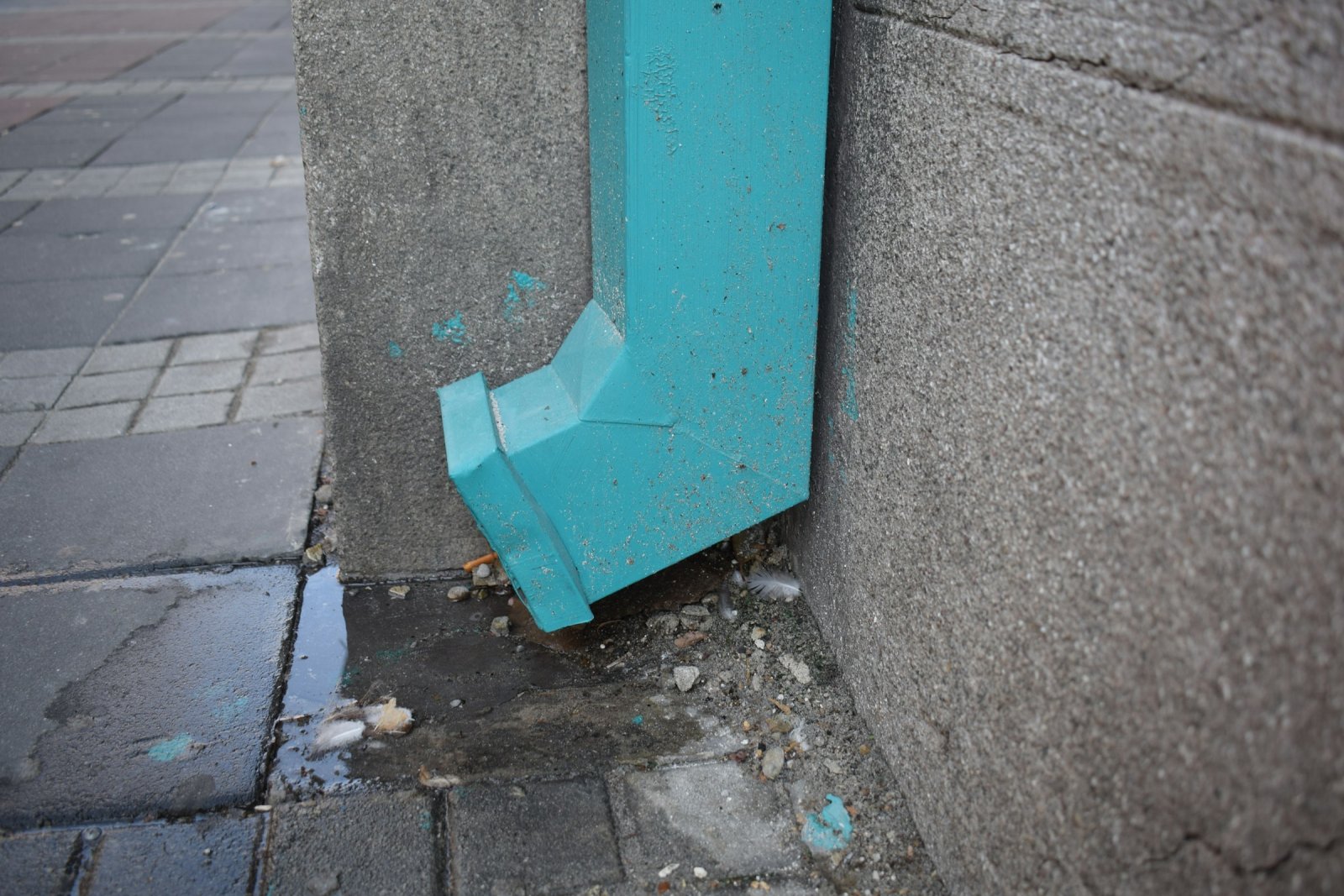
Every gutter on a house sends its roof water to a downspout, and most downspouts empty at the foot of the wall. That is true in Gqeberha and on any other house with gutters. After a heavy shower a wet patch or a puddle forms at that corner, and the water soaks into the ground the foundation sits in.
Whether burying the drain is worth the trenching depends on how far that water has to go. A splash block or an above-ground extension is enough when the water only has to travel a few feet. This Old House puts an extension's reach at 4 to 5 feet. Burying pays when the water has to go further: to the 6 feet from a basement that Portland's Bureau of Environmental Services in Oregon asks for, or to the 10 feet from the foundation that This Old House gives for a dry well. Slope, soil and boundaries can also rule out letting the water run off on the surface, as the steps below explain.
The distances and figures in these steps come from American city guidance, manufacturers, a contractor and home publications. They are not South African rules, and local municipal by-laws may set different ones.
Check where the water goes now
A downspout that empties onto wet soil at the wall puts roof water right where the foundation sits. Portland's distances give a figure to measure against: 6 feet for a basement, 2 feet for a slab or crawl space.
During a heavy shower, walk round the house and note where each downspout's water lands, and where it soaks in or pools. Measure from the wall to the far edge of the wet patch. Deal first with any downspout whose water stops short of the figure for that foundation.
Try a splash block or extension first
Portland names extensions and splash blocks as the basic way to channel water away from a building, and neither needs a trench. Their reach is short. A splash block moves the water only a few feet from the house before it meets the soil, MyBackyardLife notes, and an aluminium extension can only go so far from the house. An above-ground extension typically reaches 4 to 5 feet from the base of the downspout. That clears Portland's 2 feet for a slab or crawl space, but not its 6 feet for a basement.
Set a splash block under the outlet, or fit an extension onto it, and measure again in the next heavy shower. If the water still stops short of the distance for that foundation, or pools at the end of the extension, the remaining options cost more. This Old House puts the materials for taking two downspouts underground on an average-sized home at $250 to $500. Professional installation of the same job can cost $2,000 or more, depending on how complex it is and where the house is. A dry well costs most homeowners $1,300 to $4,600, a range This Old House takes from Angi. None of these sources gives a price for a splash block or an above-ground extension.
Decide whether the yard justifies a trench
Some yards rule out letting water out on the surface near the house, however far an extension reaches. Portland tells homeowners not to disconnect downspouts on slopes greater than 10 percent, and not to direct water to an area within 10 feet of a retaining wall. It also wants the discharge at least 5 feet from a neighbour's property line and 3 feet from a public sidewalk. Soil counts as well. Bob Vila lists soil that does not drain well, and grading problems, among the reasons to carry the water out to a pop-up emitter.
Portland's limits apply to the point where the water comes out, so burying the pipe does not get round them. A trench is a way to carry the water past them to an outlet that meets them. Buried lines also need upkeep of their own. Drycrete, a contractor and so a vendor, says clogging is the most common problem with underground downspouts. It adds that frozen discharge lines can back up and flood basements, which is a risk only where the ground freezes. MyBackyardLife recommends having a professional lay buried pipe, because the job needs careful planning and slope.
Call before you dig
A downspout trench runs along the house and then away from it, through ground that may carry water pipes, electrical cables or gas lines. A spade or a machine can cut through any of them.
The installation instructions from NDS, a drainage products manufacturer and so a vendor, say to have the local utility companies locate and mark existing utilities before installation starts. Mark the planned route of the trench as well, and keep it clear of their marks.
Dig the trench to a slope
Water in a buried pipe keeps moving only while the pipe keeps falling. A section that runs flat, or dips and rises again, holds standing water. NDS's instructions say trenches should slope a minimum of 1% away from the house.
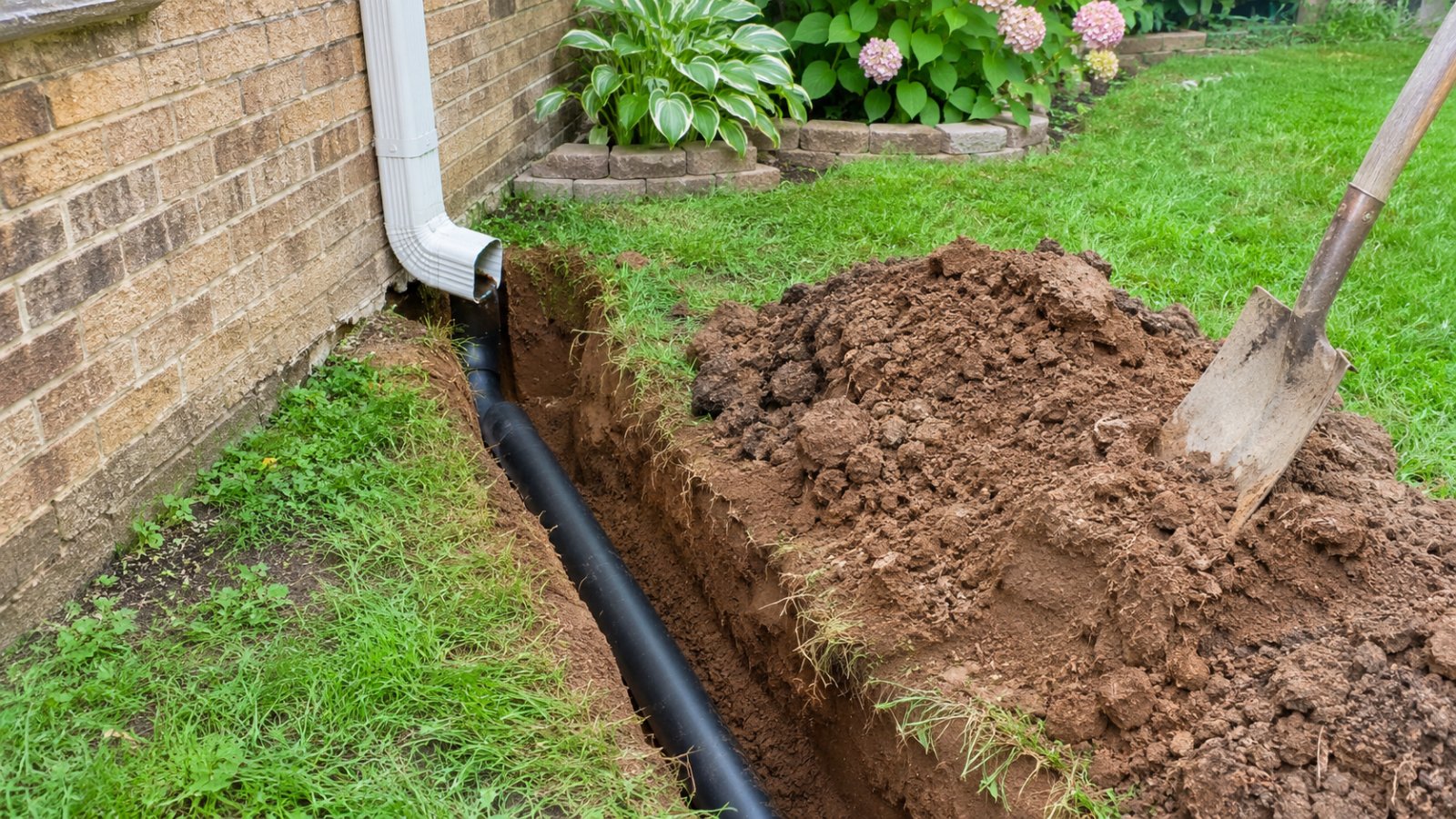
This Old House says the trench must be at least 10 inches deep. Dig outward from the downspout and keep the trench floor falling evenly all the way to the outlet. To check the overall fall, pull a string tight between pegs at each end and hang a line level on it. To find dips, lay a straight board on the trench floor with a spirit level on top.
Lay solid pipe near the house
Perforated pipe lets water out through its holes along its length. Close to a foundation, that puts water back into the ground the job is meant to keep dry. This Old House advises considering solid pipe for the first 20 feet from the foundation. In one of its projects, solid pipe was chosen because the runoff was light, though the article notes that perforated pipe could also have been used.
Connect the downspout to the top of the pipe with an adapter, then lay the pipe on the sloped trench floor and fit the lengths together along the run. This Old House advises using a level to make sure the pipe slopes toward the catch basin, as in its project, and adjusting it as necessary.
Finish with a pop-up emitter or a dry well
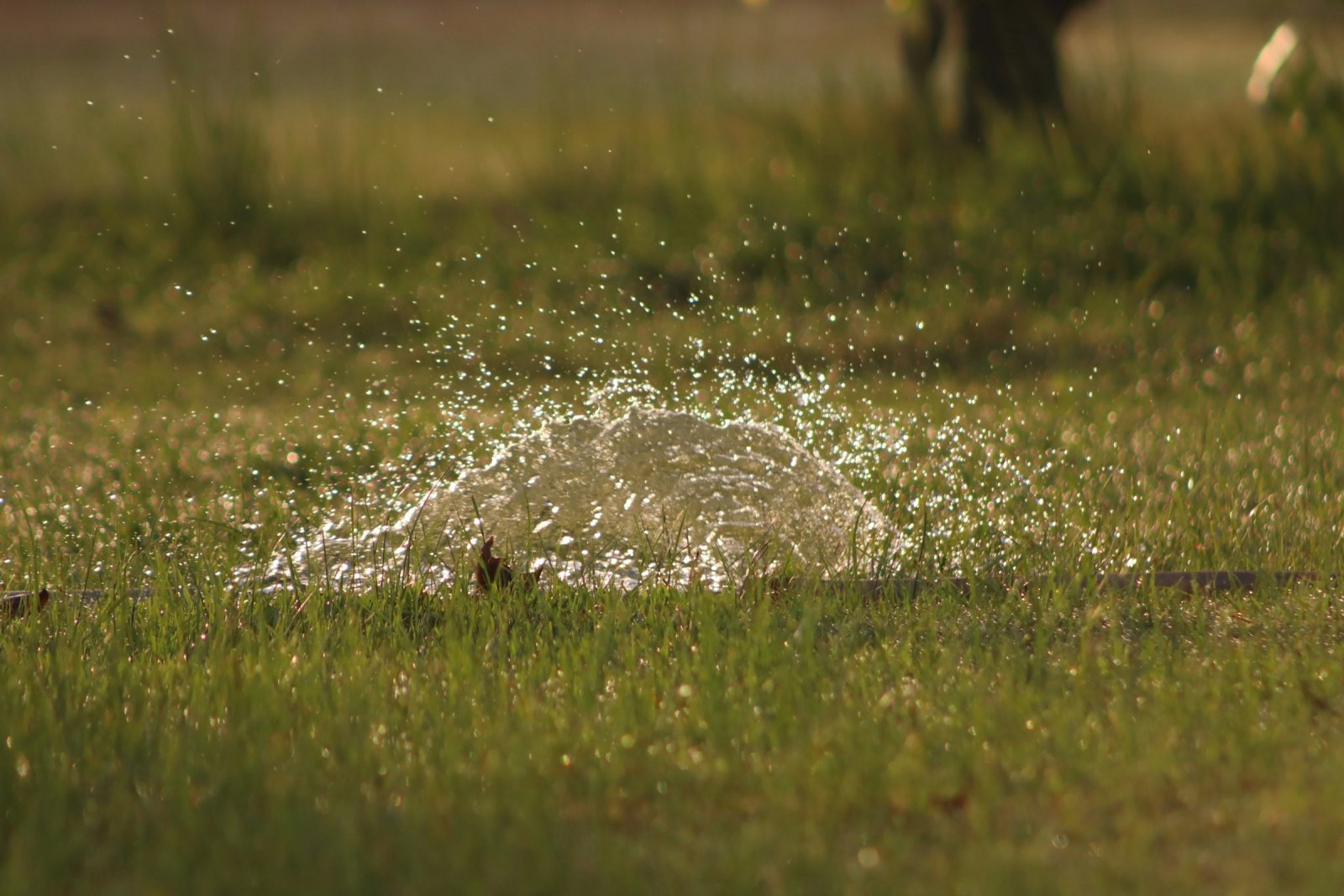
The end of the pipe decides where the roof water finally goes. A pop-up emitter sits flush with the lawn. Bob Vila explains that its lid stays shut until enough water pressure builds in the pipe, then lifts so the water spreads over a larger surface area. That makes it the outlet Bob Vila points to for soil that drains poorly. Drycrete warns that emitters can end up buried under grass or debris over time if they are not maintained.
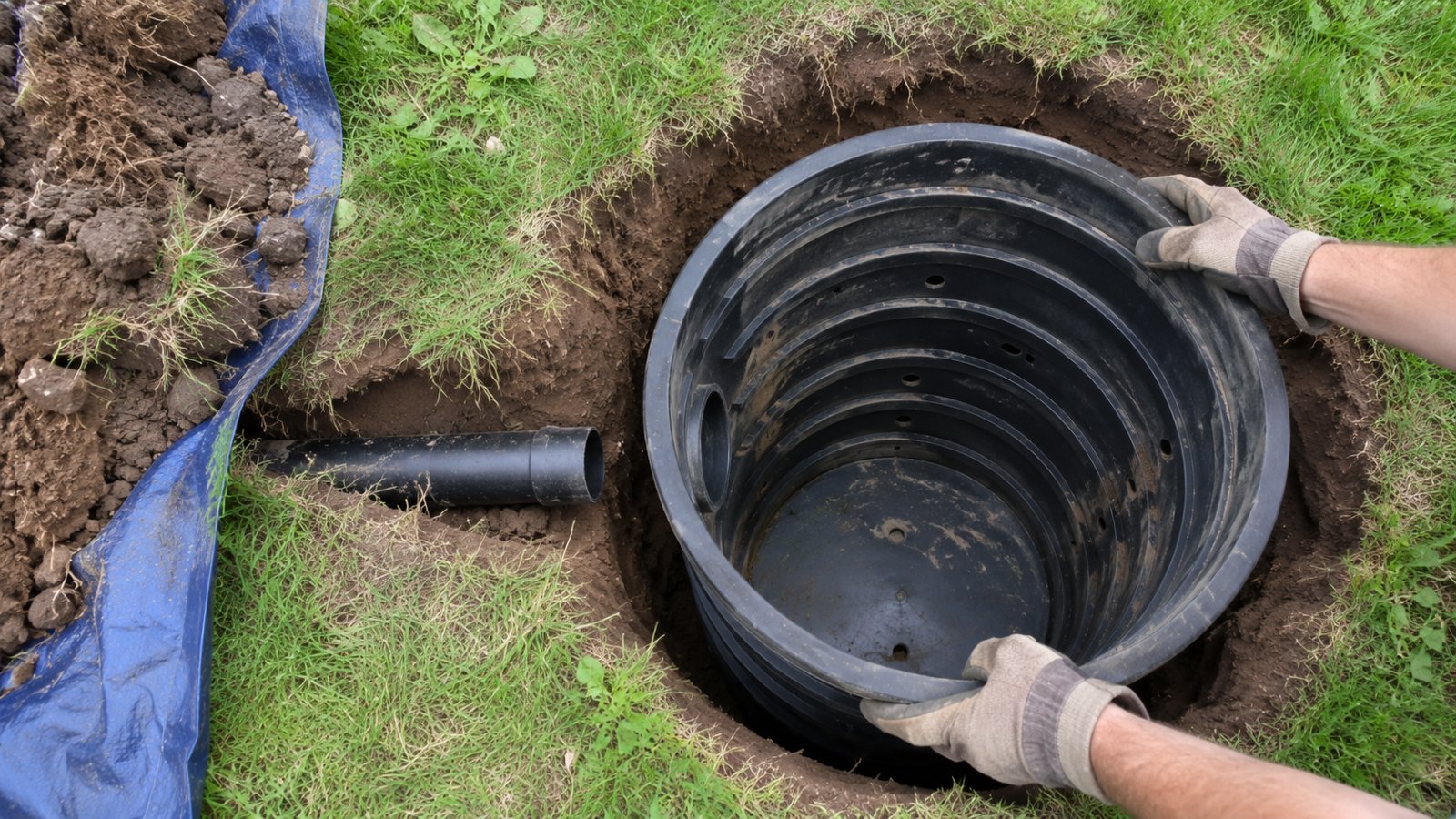
A dry well takes the water underground instead and lets it soak away into the soil. This Old House says to keep one at least 10 feet from the foundation and 3 feet from any property line. It also says to size the well from a percolation test, which shows how quickly water drains into the soil at the installation site. Upkeep means inspecting the clean-outs once a year and watching the ground around the well for pooling water. Where the run ends at a pop-up emitter instead, NDS's installation instructions ask that the elevation of the emitter be lower than the elevation of where stormwater enters the drainage system.

Deon Swanepoel
I write about home repairs, DIY and house maintenance, from damp walls to burst geysers. I live in Gqeberha, where salty sea air rusts everything.
View profileMore from Deon Swanepoel
View all →
Recommended for you
More stories →
Before You Install a Home Sauna: Electrical, Ventilation, Permits and Running Cost

Here is How Different Families In The US Are Adapting New Ways To Tackle Energy Issues

How Installing DIY Solar Panels Can Save Us Big On Energy Bills?
Leave a Comment