H-1B Extensions Would Sit Closer to a New Petition Under DHS's Plan
Under DHS's proposal to end deference to prior approvals, an H-1B or other worker extension would sit closer to a new petition, though officers could still consider the earlier approval. The comment window closed on November 13, and the current rule stays in force until a final rule takes effect.

views
The comment window on DHS's plan to end deference to prior approvals closed on Friday, November 13, and the rule is still not law.
Reddy Neumann Brown and Duane Morris both give November 13 as the deadline. Duane Morris says comments could be filed only through regulations.gov, and that window has now closed for this draft.
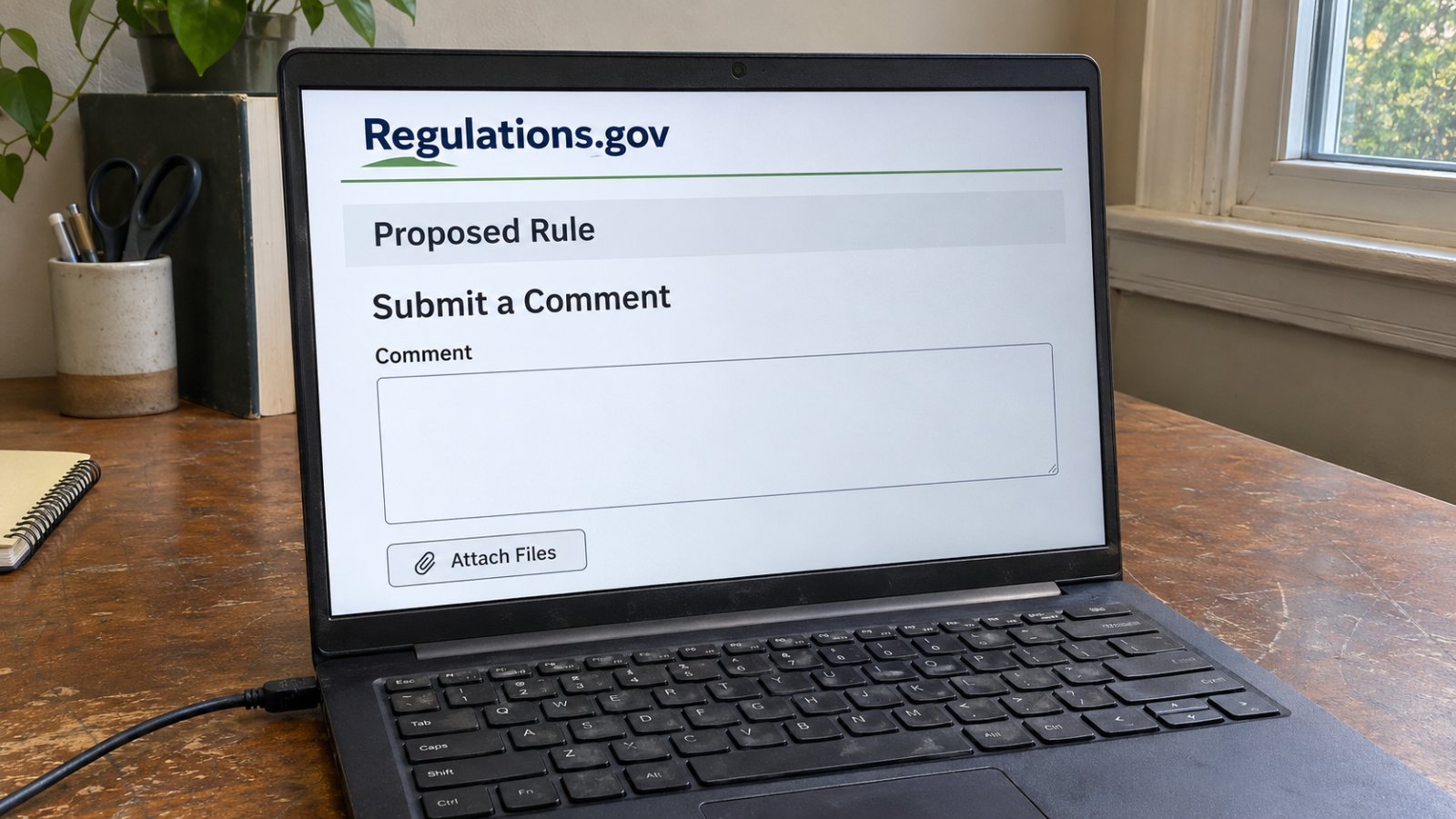
The proposal itself is short. DHS published it on October 14, 2026, at 91 FR 65119 under Docket USCIS-2026-0529, and it would remove 8 CFR 214.1(c)(5), according to Duane Morris.
Reddy Neumann Brown describes it as a one-sentence deletion that leaves the paragraph marked "[Reserved]," which in federal regulations means the number stays and the text goes. The sentence going out is the deference rule. In the firm's summary, USCIS defers to its earlier decision when the parties and the facts are the same, unless there was a material error, a material change, or new adverse information.
Read plainly, a material error means the first approval was wrong, a material change means the facts are no longer the same, and new adverse information is something that has come to light against the case. Deference was never a blank pass, because the rule names its own exits.
Put in the terms of the stock ledger I kept at my aunt's dried fruit stall in the Green Bazaar, deference is a buyer who accepts last week's weight for the same sack from the same seller, and ending it means weighing the bag again with last week's slip still allowed on the counter.
DHS's own reason, quoted by The Hans India, is that deference would "effectively shift the burden from the petitioner to the USCIS officer to justify departing from a prior approval."
Today, with the same parties and the same facts, an officer needs one of those three grounds before departing from the earlier approval. On DHS's reasoning, the officer would no longer carry that burden under the proposal, the petitioner would be making the case much as on a first filing, and the earlier approval would become one document in the file instead of the starting point. It would still be in the file. Duane Morris says officers "could still consider an earlier approval but would no longer begin from a position of deference to it," and DHS, in the passage The Hans India quotes, says the proposal "would not prohibit USCIS officers from considering a prior approval where relevant."
My reading is that an extension would sit closer to a new petition than it does now without becoming one, and only after a final rule takes effect.
Both firms frame the proposal as reaching beyond H-1B to other worker extensions, and Duane Morris names L-1 alongside H-1B.
Deference has been switched on and off before. Duane Morris traces it to a 2004 memo, rescinded in 2017, reinstated in 2021 and written into the regulation in December 2024. Counting this proposal, that history now has five entries, and the first four took twenty years to pile up.
The numbers, with DHS's estimates as Duane Morris reports them and the approval share from USCIS data cited by The Hans India:
- Proposed rule published, October 14, 2026
- Comment deadline, November 13, 2026
- Days from publication to deadline, by calendar count, 30
- Petitions a year that deference applies to (DHS estimate), about 208,429
- Extra requests for evidence a year (DHS projection), about 6,044
- Indian-born share of H-1B continuing-employment approvals, 79%
A request for evidence, or RFE, is USCIS asking for more documents before it decides. The 6,044 are additional RFEs, counted on top of whatever USCIS already sends on these petitions.
That is an agency forecasting the extra paperwork its own rule would bring, and a forecast stays a forecast until the year it describes is over.
The Hans India, citing USCIS data, reports that Indian-born workers received about 203,000 of roughly 258,000 H-1B continuing-employment approvals, or 79%. The web address of that report carries its framing, that the rule "would hit Indians hardest."
I would put it more narrowly than that address does: the 79% shows who received most of these approvals, and a share of approvals is not a count of anyone harmed.
Nor would I set DHS's 208,429 against the 258,000 in the USCIS data, because one is an estimate of petitions a year where deference applies and the other is a count of H-1B continuing-employment approvals.
On where things stand legally, Duane Morris is plain: "The current regulation remains in effect unless and until a final rule is published and takes effect."
That is how federal rulemaking ordinarily runs: the agency weighs the comments, then publishes a final rule with an effective date, and only then does the text of the regulation change.
So an H-1B extension decided this week is still decided with the deference rule in place.
For an employer or a worker filing an extension, the difference would show up in the filing itself.
Today, when the parties and the facts are unchanged, the earlier approval carries much of the weight; under the proposal, on DHS's own reasoning, the burden would sit with the petitioner, so the evidence in the extension would have to make the case on its own.
The papers behind the earlier approval would still be worth keeping with the new filing, since officers could still consider them.
This is a general reading of a proposal, not legal advice, and a specific case belongs with an immigration lawyer.
Whether a final rule comes at all is still open, and so, oddly, is the length of the comment period that just ended. Erickson Immigration Group's summary gives it as 60 days, other firm summaries give 30, and October 14 to November 13 counts out to 30.
Under the proposal, a prior approval would still be a receipt an officer may read, just no longer the place the officer starts.

Dana Zhaksybekova
I cover how markets and inflation change what households can save.
View profile
Leave a Comment