
Outdoor clothing company owned by a trust that fights climate change
Ventura, US
0

In the race for smoother, higher-resolution gameplay, three major contenders have emerged-NVIDIA DLSS, AMD FSR, and the newcomer, Intel XeSS. Each uses different techniques to achieve the same goal - boosting frame rates while maintaining visual quality. Let’s break down their specs, features, and performance in real-world examples. Intel’s XeSS...
 Marcus Adeyemi
· Jan 13
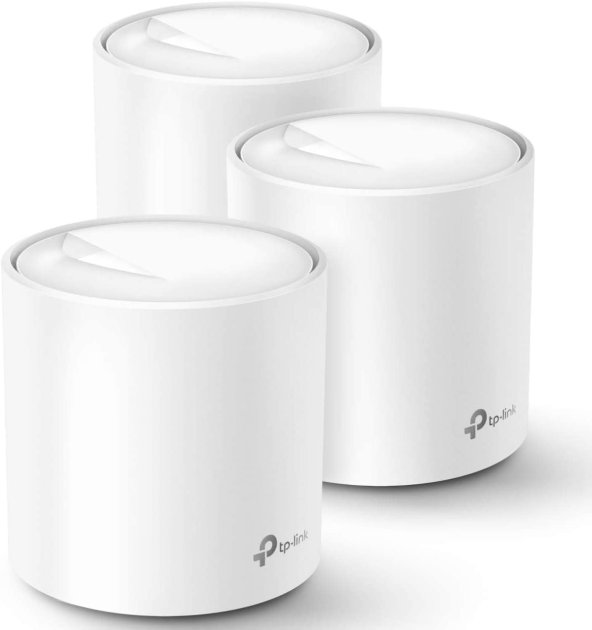
Choosing the right mesh Wi-Fi system can be daunting, especially with TP-Link’s Deco lineup offering various options. Today, we’ll be pitting two popular contenders against each other-the Deco M9 Plus and the Deco M5. That’s the reason that the TP-Link’s Deco line of mesh routers has become a popular choice for those seeking seamless Wi-Fi …
 Priya Raghunathan
· Jan 24

High-End Desktop (HEDT) computing refers to a class of personal computers that offer significantly higher performance than mainstream systems. It is a term coined by Intel to describe a chip lineup that’s a notch above its standard consumer chips but below its workstation/server lineup. HEDT CPUs are marketed toward enthusiasts who want to get s...
Priya Raghunathan
· Dec 27
Outdoor clothing company owned by a trust that fights climate change

Swiss luxury watch maker behind the Submariner and Daytona

Private AI coding assistant that can run on your own servers

Log the films you watch, rate them and share reviews with friends

Data platform that finds and enriches leads for sales and marketing teams

Free AI notetaker that records, transcribes and summarises your calls
Publish on AfterJournal and reach readers who follow AI, startups and the products behind them.
Meet the writers shaping AfterJournal

For eleven years, Kevin kept the books for his parents' flooring store in Winnip...
6 articles
For seven years, the night desk of a small guesthouse in Porto was Duarte Pinhei...
4 articles
Hiroshi Tanabe shot wedding videos in Osaka for eight years. The cameras he boug...
19 articles
The fights fans have over video games and consoles are what Matías Fuentealba wr...
2 articles
Phones and laptops, mostly. Priya Raghunathan has reviewed both since 2016, firs...
28 articles
For nine years, Erlend worked the parts counter at a dealership outside Stavange...
4 articles
Graphics cards and PC hardware are the main subjects for Ondřej Malík. He also e...
2 articles
I write about weather, climate and the science behind the headlines, from typhoo...
2 articles
I write about home repairs, DIY and house maintenance, from damp walls to burst...
2 articles
Former physiotherapist. Camila Restrepo now writes about fitness trackers and ch...
15 articles
Earnings season is Faizal Mokhtar's busiest time, and he reads the reports close...
2 articles
I build gaming PCs and test them until the fans give up. If a game stutters, I w...
22 articlesThe 94% is a before-and-after fracture count in ten women with no comparison group. This piece covers what that count measures, how it sits beside approved drugs, why patients cannot get the treatment, and what to ask a doctor now.
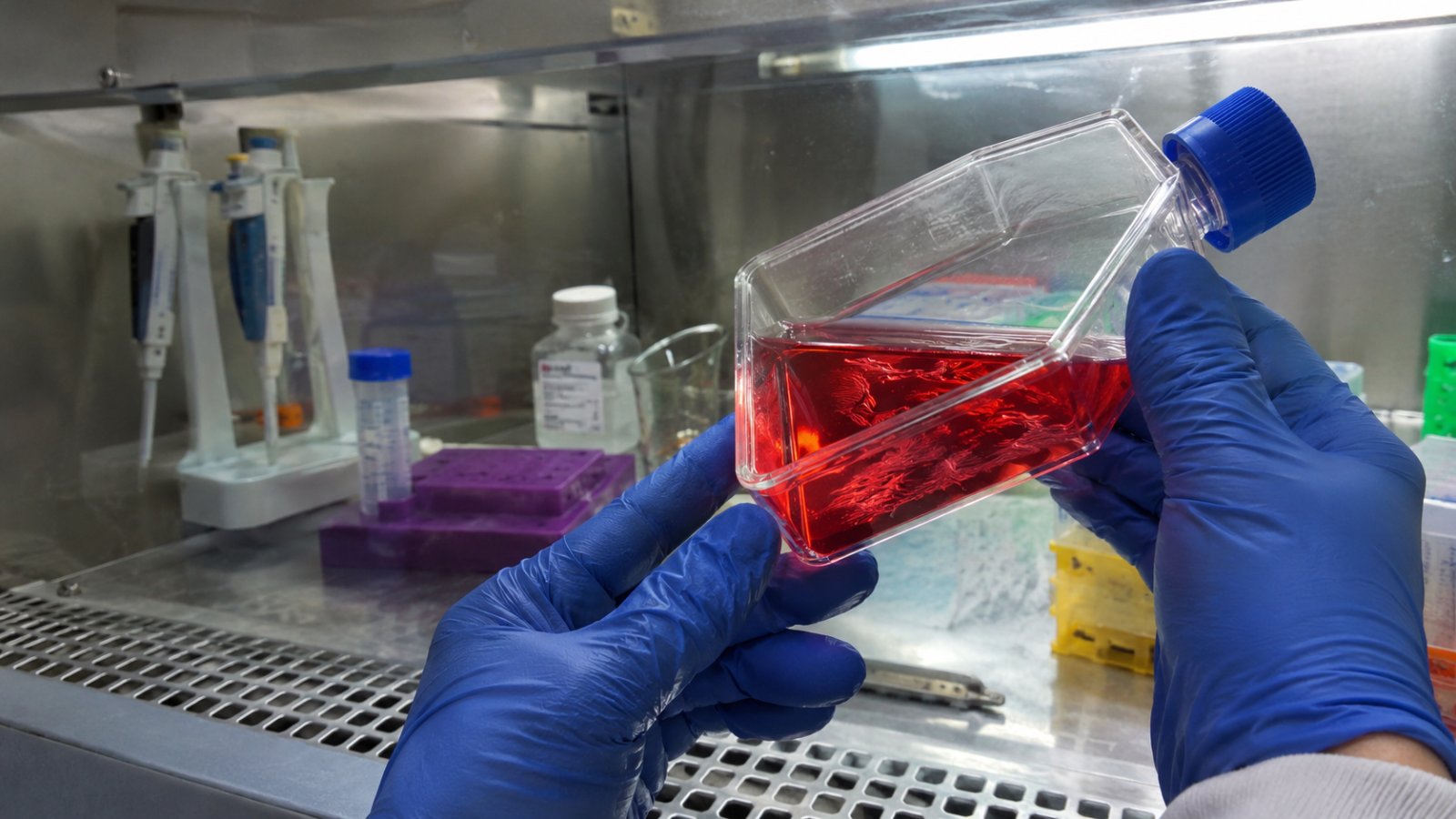
The US lost measles-free status with cases past 5,400. CDC guidance treats one MMR dose or other evidence as enough for most adults. A table by birth year and record shows who counts, why some 1963 to 1967 shots fall short and how a titer compares with a dose.
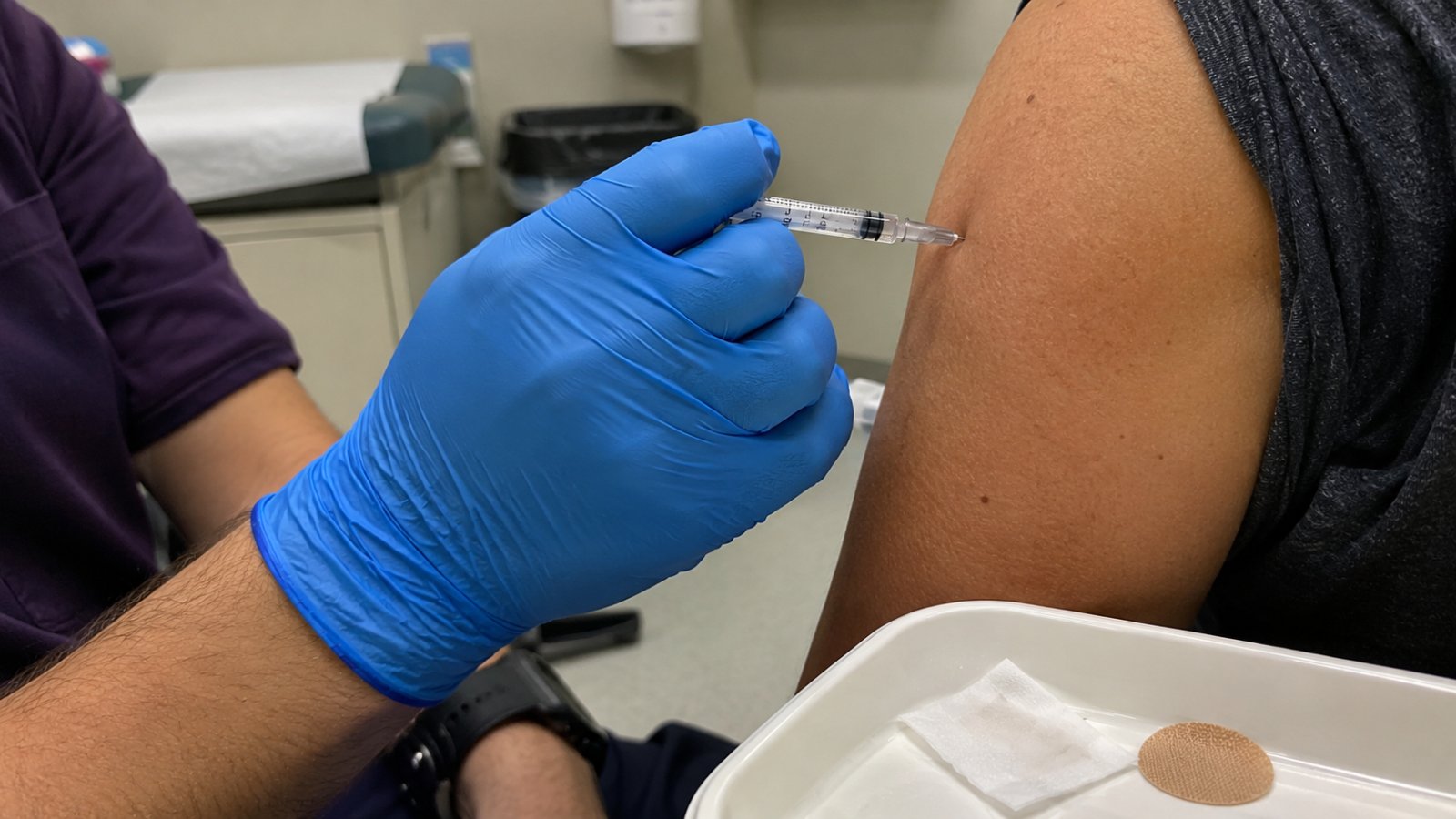
The 90.2% figure is a disease control rate from 61 patients taking daraxonrasib with chemotherapy, in a study with no comparison group. Here is what it measures, how it sits beside historical chemotherapy and the 500-patient RASolute 302 trial, and who the FDA's Aug 26, 2026 approval covers.

STREAM, published in NEJM on Nov. 7, 2026, tested stopping statins in adults 70 and older with no known heart disease. Over a median 103 weeks, 12.7% who stopped had a heart attack or stroke or died, against 9.2% who continued, yet stopping met the 5.2-week noninferiority margin.

On Nov 17 the Russell 2000 closed two points from a death cross. This lays out what the crossover is, what followed earlier S&P 500 and Russell 2000 crosses, why the signal lags the drop, and how rebalancing and switching costs fit into an index fund plan.

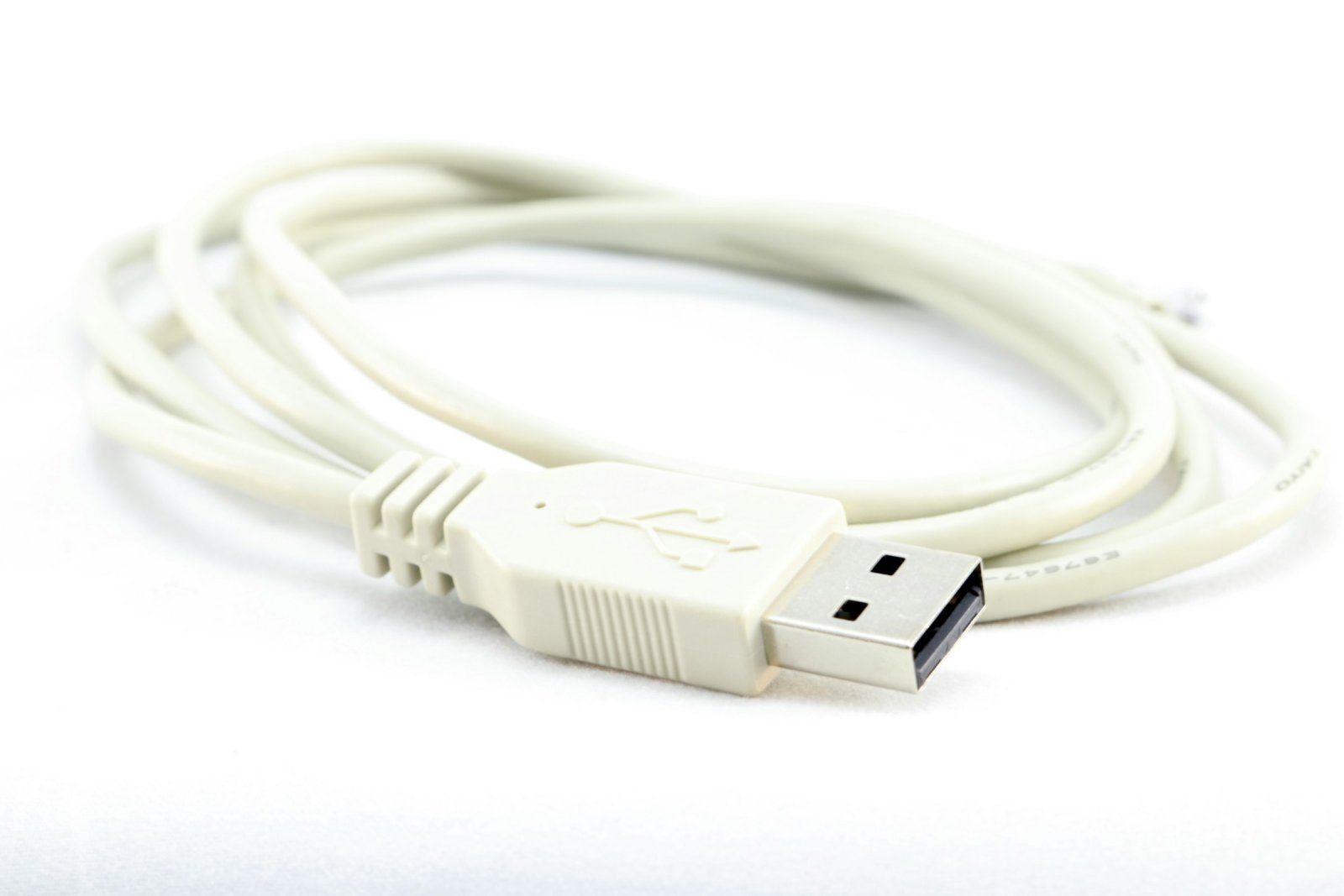
A triage table ranks six kinds of charging cable damage, from exposed wire to a plug that only charges at an angle, and says how soon to bin each. It covers why frayed cables run hot, why tape is no fix, and what the USB-IF logo, e-markers and reinforced joints say about a replacement.
Oregon is asking OpenAI for $2.035 billion over ChatGPT and children. This covers what the complaint alleges, how it compares with the other state suits, what the states want a court to order, and the parental controls a parent can set today, with their limits.

Apple's own support page says Full Disk Access lets an app bypass system protections and reach every file on a Mac. In macOS 27.3, now in beta, apps can no longer add themselves to that list, and a new override permission arrives. Permissions granted before the update stay in place.

A spouse's general-purpose health FSA generally blocks your HSA contributions. This piece sorts which spouse plans block them and which don't, the workarounds a benefits broker describes, and the IRS steps to remove an excess and stop the 6% yearly tax.

Whether burying a downspout drain is worth it depends mostly on how far the roof water has to travel. This guide compares splash blocks, extensions, buried pipe and dry wells on reach, cost and upkeep, then goes through the trench, the pipe and the outlet in order.

Share what you're building, or what you've learned, with readers who work in tech.
The best new stories, startups and AI tools every week. No noise, unsubscribe anytime.
