Is It Too Late for a Flu Shot Before Thanksgiving With Cases Rising?
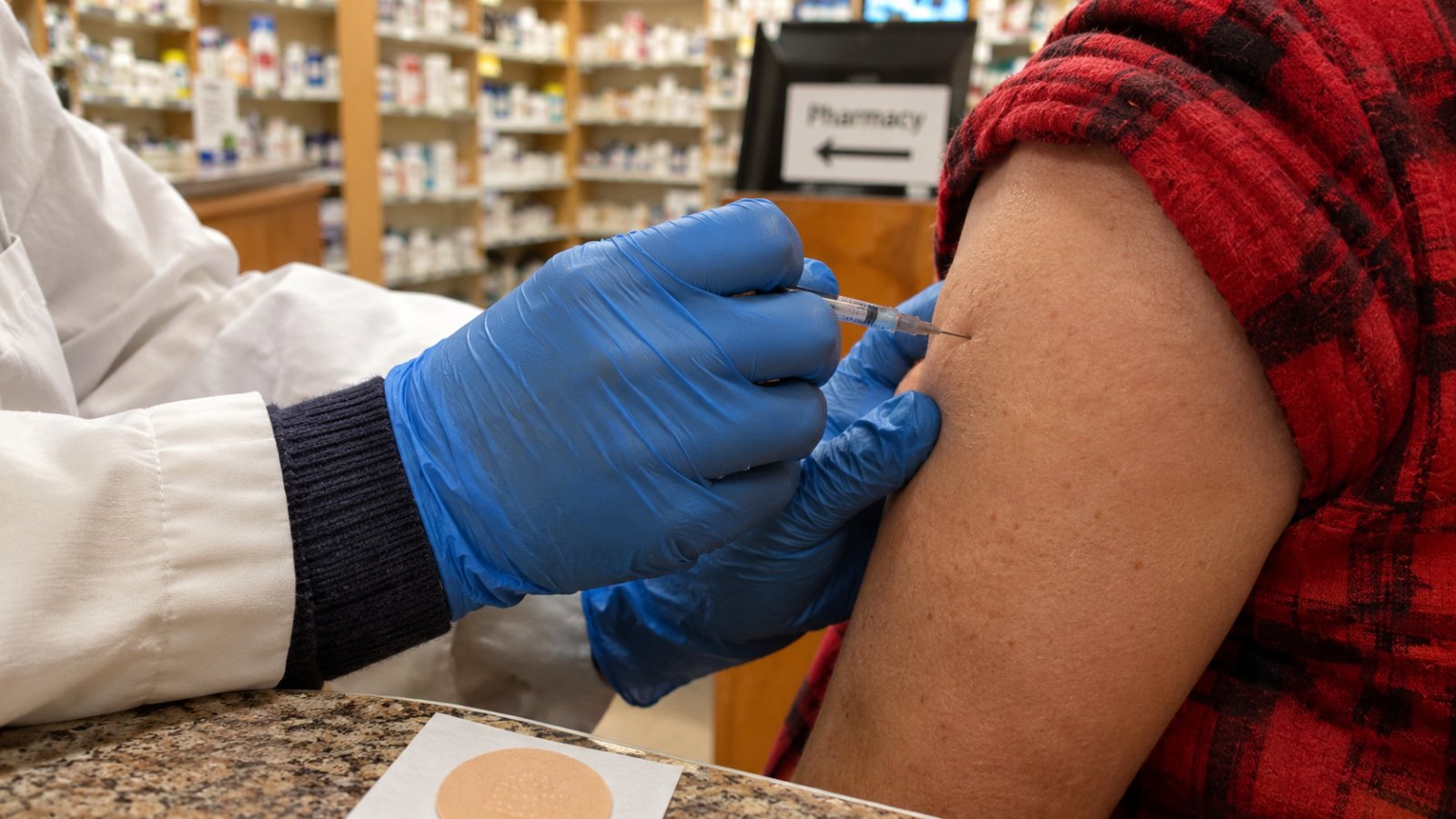
The CDC and health.gov say it is not too late for a flu shot, but protection takes about two weeks, so a shot on Thanksgiving starts protecting you about two weeks later, after the meal.
views
Going by the CDC and the federal health.gov site, it is not too late, though a shot this week will not protect anyone at the table. Health.gov says the body needs about two weeks after vaccination to develop protection, so a shot taken any day this week reaches that point only after the meal. The CDC gives the reason to get the shot anyway. It says to keep vaccinating for as long as flu viruses threaten a community, and its latest national report shows the flu hospital admission rate going up.
Is it too late for a flu shot this week?
The federal health.gov page on seasonal flu puts the delay plainly: "After you get vaccinated, it takes about 2 weeks for your body to develop protection against the flu." The mechanism is simple. The vaccine shows the immune system what the virus looks like, and building a response takes days of work, not hours. A holiday does not make that any faster.
Here is the week's clock with the CDC's rules for being ill added. The illness entries are CDC rules and are not tied to any particular day.
- A shot taken any day this week reaches health.gov's two-week mark after Thanksgiving, not before it.
- From catching flu to feeling sick takes "about two days but can range from about one to four days," per the CDC's flu basics page.
- Flu is most contagious in the first three days of illness, per the same page.
- Antivirals work best in the first two days of flu symptoms, per the CDC's treatment guidance, covered below.
- Someone who has been ill can return to normal activities once they meet the CDC's 24-hour fever-free rule, set out below.
- For 5 days after that return, the CDC asks for added precautions.
EEW Magazine starts from the same two-week figure and says a shot now can still work before Christmas. It is a secondary source, not a health agency, and the Christmas point rests on health.gov's two weeks, not on any new data. It is thin evidence and adds nothing to the federal figure.
What does this week's CDC data say?
The latest national figures are in FluView for Week 45, the week ending Nov 14. FluView is surveillance. It collects doctor visits, lab results and hospital admissions reported by networks across the country. It measures how much flu is circulating. It is not a trial, and it cannot say how well any one prevention step works.
Three figures bear on a holiday decision. In ILINet, the CDC's outpatient reporting network, 3.8% of patient visits were for influenza-like illness. Clinical labs reported 7,269 positive flu tests, 11.8% of those tested. The influenza-associated hospital admission rate was 3.5 per 100,000 people, which the report says was an increase. The report also counts seven flu deaths in children so far this season and says vaccines are available for everyone aged 6 months and older.
These are national numbers. State and county reports, and a comparison with last season's pace at this point, were not available at the time of writing. Because of the Thanksgiving holiday, the CDC will post FluView for Week 46 on Monday, Nov 30, so no new national figures will come out before the meal.
Flu, COVID, RSV or a cold?
"You cannot tell the difference between flu and COVID-19 by the symptoms alone," says the CDC's flu versus COVID-19 page. Telling them apart takes a test. The same page gives COVID an incubation of 2 to 5 days, and up to 14, and says people with COVID can be contagious for about 8 days.
| Illness | Exposure to first symptoms | Contagious period | CDC source |
|---|---|---|---|
| Flu | About 2 days, range 1 to 4 | Most contagious in the first 3 days of illness | Flu basics page |
| COVID-19 | 2 to 5 days, up to 14 | About 8 days | Flu versus COVID-19 page |
For a cold, the CDC's flu symptoms page gives one contrast you can use at home: a cold comes on gradually, while flu comes on abruptly. That sorts a cold from flu and leaves the flu-or-COVID question open. A CDC comparison of fever and aches in colds and flu, and incubation and contagious periods for colds and RSV, were not available at the time of writing.
RSV gives even less to go on. Its symptoms "are not specific," according to the CDC's RSV page, which names infants under 6 months and older adults as the people at risk.
Two claims bigger than the data
Myth: a shot now is pointless because it will not work by Thursday
Evidence: health.gov's two-week figure means a shot this week will not reach its mark by the meal. Calling the shot pointless goes further than that figure does. The CDC's flu prevention page says people "should continue to get vaccinated as long as flu viruses pose a threat to their community." Missing Thursday does not mean missing the season.
Myth: I feel fine, so I am safe to hug everyone
Evidence: for COVID, the CDC's COVID-19 overview says the opposite: "Anyone infected with COVID-19 can spread it, even if they do NOT have symptoms." So feeling well does not rule out passing COVID to someone at the table. Here the claim is bigger than the data, and the data points the other way.
Stay home, test, treat
Risk is not spread evenly around a table. On its flu basics page, the CDC lists people 65 and older, and "people of any age with certain chronic medical conditions," as being at higher risk of flu complications. The RSV page adds infants under 6 months. The guidance below matters most for these guests.
The stay-home rule is in the CDC's guidance on precautions when sick. A person can go back to normal activities when their symptoms are improving overall and, for 24 hours, "You have not had a fever (and are not using fever-reducing medication)." The medication clause matters because a fever reducer lowers the temperature without ending the infection, so a fever held down by a pill does not count. After returning, the CDC says to "take added precautions over the next 5 days."
EEW Magazine suggests that hosts tell guests ahead of time "that staying home when sick is welcome." This is the magazine's suggestion and not CDC guidance.

Flu antivirals work best when started "within two days after flu symptoms begin," according to the CDC's flu treatment page, which also says most otherwise healthy people do not need them. Because symptoms alone cannot separate flu from COVID, a test is what shows which illness someone has. Whether an antiviral is right, and which one, is for a prescriber to decide.
Difficulty breathing or shortness of breath is one of the emergency warning signs the CDC symptoms page lists for adults, and the rest of the list is on that page. It is an emergency sign, so it should not be waited out.
This is general information from public health guidance, not medical advice, and it cannot account for one person's conditions or medications. Decisions about testing, antivirals, or whether a vulnerable relative should come to the meal belong with a doctor, nurse or pharmacist who knows that person's history.
The CDC's next national flu figures, FluView for Week 46, post on Monday, Nov 30. A shot taken this week reaches health.gov's two-week mark once the holiday is over. By the CDC's own keep-vaccinating guidance, that is too late for the turkey and still worth the trip to the pharmacy.
Camila Restrepo
Former physiotherapist. Camila Restrepo now writes about fitness trackers and checks the study behind every health claim she quotes. Medellin, Colombia.
View profileMore from Camila Restrepo
View all →
A spouse's general-purpose FSA can block your HSA contributions, and old ones can be fixed

The 1099 Line Moves to $2,000 for 2026 Payments, but Income Under It Can Still Be Taxable

Foundayo for Sleep Apnea: What the Trial Shows Next to Zepbound and CPAP
Recommended for you
More stories →
The New Pancreatic Cancer Pill's 90% Figure Measures Disease Control in 61 Patients
Stopping statins in people 70 and older raised events to 12.7% from 9.2% in STREAM

Yale analysis finds drugs and exercise lowered epigenetic age, supplements did not
Leave a Comment