Can Sugar-coated Stem Cells Really Cut Osteoporosis Fractures by 94%?
The 94% is a before-and-after fracture count in ten women with no comparison group. This piece covers what that count measures, how it sits beside approved drugs, why patients cannot get the treatment, and what to ask a doctor now.
views
Across ten women with advanced osteoporosis, broken bones went from about eight a year to half of one a year after a single infusion of their own engineered stem cells, and that drop is the 94% in the headlines. It is a count taken in ten people with no comparison group, so it does not show that the treatment reverses osteoporosis, and the authors say so in their own paper, as Medical Dialogues reports. The therapy exists only in research, and no start date has been reported for the larger trial meant to test it properly.
Where does the 94% come from?
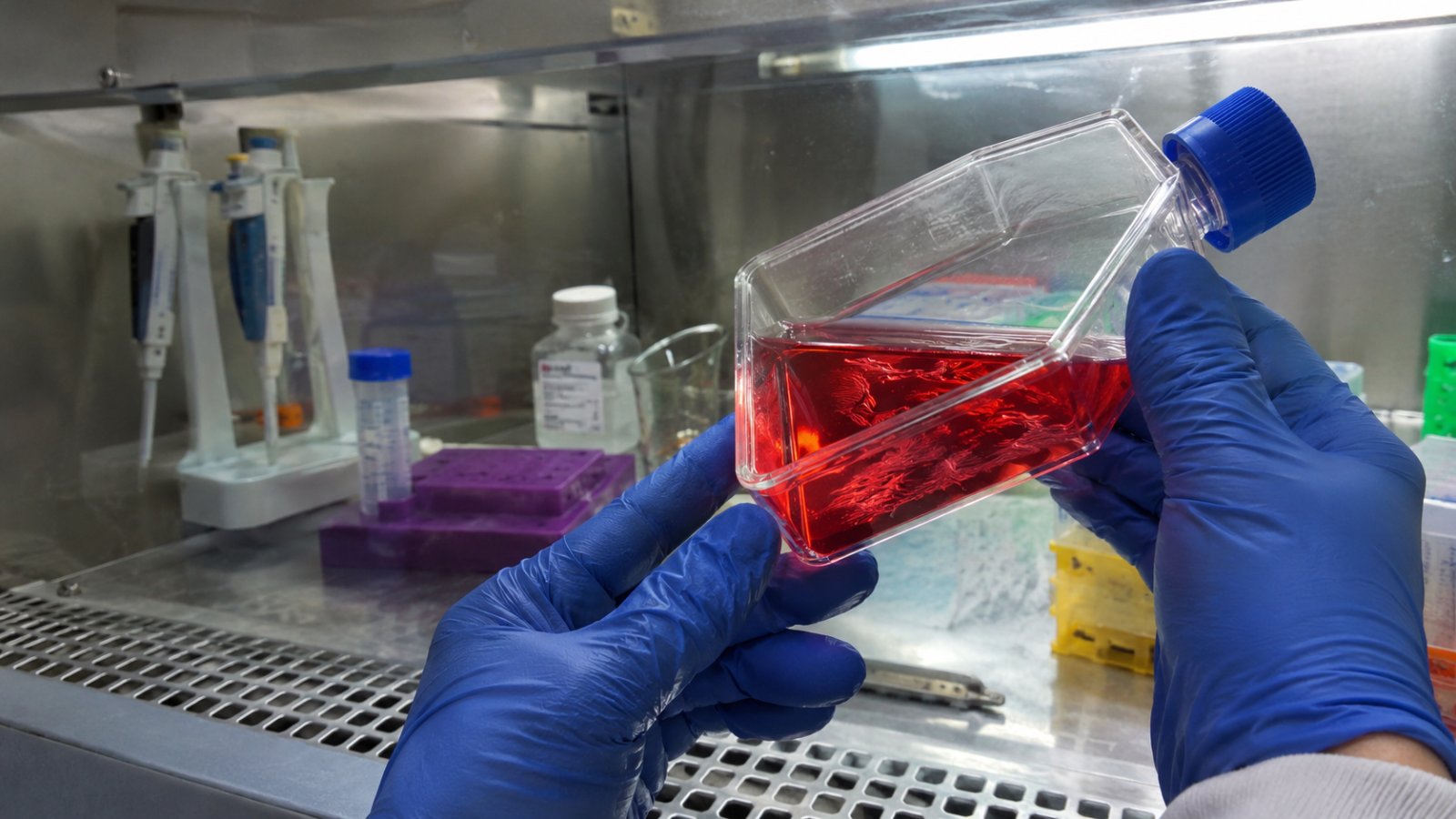
The study was published in Cell. ScienceAlert, which calls it a first-in-human trial, reports a "94 percent sustained decrease in fragility fractures over the following two years", set against the two years before the infusion. Each woman received one intravenous infusion of her own mesenchymal stem cells, MSCs for short (the paper says "stem/stromal cells"), and ScienceAlert notes that there was no control group. The "sugar coating" comes from the paper's title, which calls the cells glycocalyx-edited. The glycocalyx is the layer of sugar molecules on the outside of a cell, a little like the fuzz on a peach. A fragility fracture is a bone breaking under a force a healthy skeleton would survive, and those are the breaks being counted.
The group figures behind the percentage come from Medical Xpress: across all ten women, fractures fell "from eight fractures per year to 0.5 fractures per year." Dividing the stated 0.5 by the stated 8 gives one sixteenth, so the new rate is about a sixteenth of the old one, which is where a fall of roughly 94% comes from. On its own, that percentage tells a reader very little. It compares the women with themselves at an earlier time, when, across the group, they had been breaking about eight bones a year, and a large percentage is easiest to get from a high starting point. Without a group of similar women who did not receive the cells, there is nothing to measure it against.
The other reported numbers, in one place:
- Ten women, aged 51 to 72, with advanced osteoporosis (ScienceAlert)
- One intravenous infusion of each woman's own edited cells
- Fractures across the group: about 8 a year before, 0.5 a year after (Medical Xpress)
- Bone biopsies at 120 days: more bone tissue in 7 of the 10 (ScienceAlert)
- Bone pain: down 34% at month 24 (Medical Xpress)
- Disability: down 30% at two years (ScienceAlert)
- Treatment-related adverse events: none reported (ScienceAlert)
Why can't a trial of ten women settle it?
Most of the problems follow from the missing comparison group. Without women who did not get the cells, nothing in this design separates what the infusion did from what would have happened anyway, and ScienceAlert adds that most of the women were taking other osteoporosis drugs, so some or all of the improvement may belong to those drugs. ScienceAlert's report also points to a less obvious trap: "Fracture risk varies over time, so patients selected at their worst may improve on their own." Statisticians call this regression to the mean. People tend to join a trial when things are going badly, and a bad stretch is often followed by a better one with or without treatment. It is the before-and-after photo where the sun came out between frames: the second picture is brighter, and the new filter gets the credit.
It also helps to know what question the trial was built to answer. It was a phase 1 study, the first stage of testing in people, and ScienceAlert's account says its primary aim was safety. On that question the result is clear as far as it goes: no treatment-related adverse events were reported, and the conclusion quoted there is that the therapy "has an excellent safety profile and is feasible." Feasible means the treatment can be given, which is a long way from showing that it works.
The authors draw that line themselves. Their paper, Glycocalyx-edited mesenchymal stem/stromal cell therapy in advanced osteoporosis, states that "the observed fracture reduction cannot yet establish treatment efficacy," as quoted by Medical Dialogues. Efficacy here simply means whether the treatment works.
Two smaller gaps sit underneath. ScienceAlert reports that the fate of the infused cells was not tracked, so even if the infusion did help, there is no account yet of how. ScienceAlert also reports that one co-author holds intellectual property in the technology. That alone is no evidence that anything is wrong, but it belongs next to a figure like 94%.
The idea is older than this trial. In 2016 a University of Toronto team injected osteoporotic mice with MSCs from healthy mice, with no sugar editing, and noted at the time that there were no human stem cell trials of a systemic treatment for osteoporosis, meaning one given through the bloodstream so that it reaches the whole skeleton. Ten years later there is one, with ten participants.
How does it stack up against the drugs already prescribed?
The International Osteoporosis Foundation's treatment page lists approved drugs by the fracture type they have been shown to reduce, and gives the effect for treatments as a group: they "reduce the risk of hip fracture up to 40%, vertebral fractures by 30-70%," and "some compounds reduce the risk for non-vertebral fractures up to 30-40%." Vertebral means the spine, and non-vertebral means breaks elsewhere, such as the wrist. The names on the foundation's list that a doctor is likely to mention include alendronate, denosumab, teriparatide and romosozumab. The foundation's ranges describe these treatments as a group, so the table keeps them that way and gives no figure for any single drug.
| Option | Stage and evidence | Who was studied | Fracture result as stated | Available now |
|---|---|---|---|---|
| Glycocalyx-edited stem cell infusion (own cells) | Phase 1, first-in-human, no control group, safety as the main aim | 10 women aged 51 to 72 with advanced osteoporosis, most also on other osteoporosis drugs | About 8 fractures a year down to 0.5 across the group, two years before against two years after (94%) | No, research only |
| Approved drugs, spine (IOF group figure; the list includes alendronate, denosumab, teriparatide, romosozumab) | Approved and in clinical use | Trial populations not given in IOF's summary | Vertebral fracture risk reduced by 30 to 70% | Yes, on prescription |
| Approved drugs, hip (IOF group figure) | Hip fracture risk reduced by up to 40% | |||
| Some approved compounds, outside the spine (IOF group figure) | Non-vertebral fracture risk reduced by up to 30 to 40% |
Note on the table: the figures come from different kinds of trial and are not comparable. The drug ranges are the foundation's group figures for treatments approved after controlled trials, in which one group gets the drug and a comparable group does not. The 94% compares the same ten women with themselves at an earlier time, while most of them were taking osteoporosis drugs of the kind in the rows below.
Is there any way to get it, and what helps now?
No. The treatment has been given only inside a first-in-human trial, and according to ScienceAlert the next step is a further trial. A clinic charging today for a stem cell treatment for osteoporosis is therefore not offering the therapy described in Cell, and none of these reports covers such clinics or what they sell. That is the part worth passing on to a parent who has seen the headline.

For a woman with osteoporosis, or one worried about it, the tested route runs through her doctor. She can take her bone density results to the appointment and ask which of the approved drugs suits her fracture risk, how long she would take it and what its side effects are, and she can raise preventing falls at the same visit.
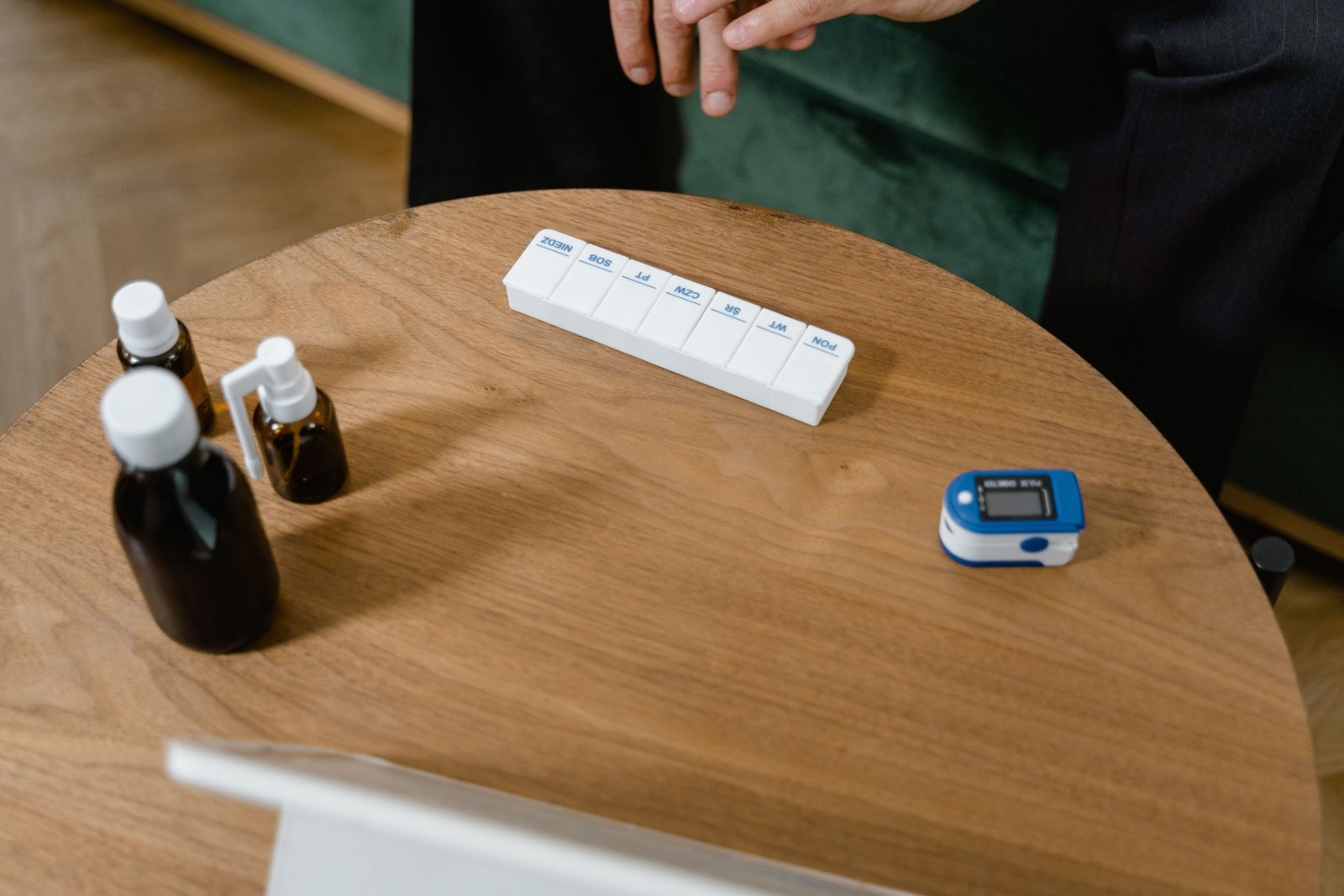
For anyone already taking one of these drugs, the detail from the trial worth keeping in mind is that most of the ten women were taking osteoporosis drugs too. The headline gives no reason to stop one.
What happens next is a randomized trial at Murcia in Spain, which ScienceAlert says will compare women given their own cells, women given donor cells and women given no cells. Randomized means chance decides who goes into which group, so the groups start out alike and a difference at the end can be put down to the treatment. Two things are still open: no start date for that trial has been reported, and the full Cell paper was not available at the time of writing, so the figures here come from ScienceAlert, Medical Xpress and Medical Dialogues. If the edited cells still come out ahead when chance decides who receives them, the 94% will have been an early sign of something real. Until then, it is a signal worth testing, not a treatment.

Hiroshi Tanabe
Hiroshi Tanabe shot wedding videos in Osaka for eight years. The cameras he bought back then, and some he regretted, are why he reviews them now. His tests of microphones and gimbals tend to run long, because he uses the...
View profileMore from Hiroshi Tanabe
View all →
iOS 27.3 Beta Puts a Daily Cap on Siri's Cloud Features, Raised by iCloud+

Gmail Undo Send: How to Use It, How Long You Get, and How to Extend It

Instagram Now Guesses Age Worldwide: What a Teen Flag Changes, What Is Known About Undoing It
Recommended for you
More stories →
Stopping statins in people 70 and older raised events to 12.7% from 9.2% in STREAM
Yale analysis finds drugs and exercise lowered epigenetic age, supplements did not
American Cancer Society now recommends PSA tests every two years for men 50 to 69

Leave a Comment