IBM's relocate-or-leave deadline comes from an internal document
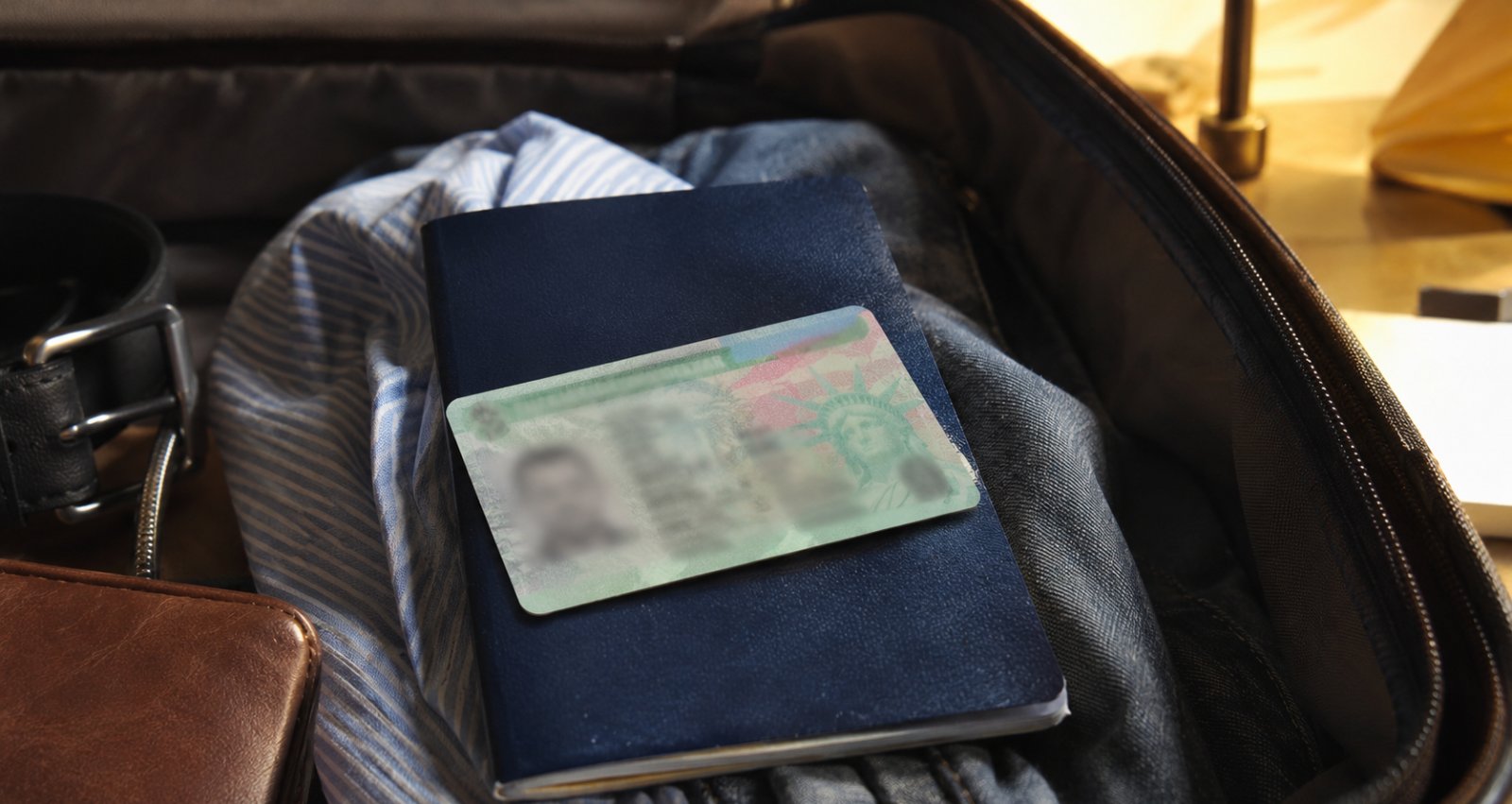
IBM confirmed it is ending visa and green card sponsorship for most Consulting roles, and the year-end relocate-or-leave deadline comes from a document circulated to managers. Federal rules treat H-1B workers, pending green card applicants and permanent residents who move abroad in different ways.
views
IBM told Reuters on 10 November 2026 that it is ending US visa and green card sponsorship for most roles in IBM Consulting. Staff in those roles were told to relocate outside the US and keep working for IBM where possible, or leave the company. The year-end deadline for that choice comes from an internal document circulated to managers.
What IBM confirmed and what came from the internal document
IBM's stated reason, that skill availability and client needs have evolved, names no role and no number. The division is large. IBM Consulting has more than 150,000 staff out of a global workforce of 264,300, and IBM as a whole had 1,611 approved H-1B petitions in fiscal 2026, down from 2,045 the year before. The Week, citing Reuters, reported that the suspension covers consulting roles and not sponsorship elsewhere in the company.
The change first surfaced in a document circulated to managers, which Bloomberg reported, and IBM then confirmed that it had "opted to discontinue visa and green card sponsorship for the majority of such roles." The deadline is worded differently from one outlet to the next. That first account, as carried by IBTimes, puts it at year-end, The Week has it as the end of the year, and Open magazine says staff must leave the company by December 2026. None of those reports names December 31. The end-of-2026 departure option is set out in the internal document and is not a stated effective date for the policy, and IBM has not published a date.
H-1B holders who move abroad or lose the job
An employer sets the terms of a job, including where it is done and when it ends. Immigration status follows federal rules about where a person is and what they are doing there. For an H-1B worker, losing the job does not by itself end status. The regulation at 8 CFR 214.1(l)(2) says a worker "shall not be considered to have failed to maintain nonimmigrant status solely on the basis of a cessation of the employment", and allows a grace period of up to 60 consecutive days, or until the approved validity ends if that comes sooner. The grace period can be used once per validity period, and DHS can shorten or eliminate it, so the 60 days are at the government's discretion.
H-1B is a US status, so a person who takes the relocation offer and works for IBM from another country is not in it. Cyrus Mehta's immigration law blog notes that coming back in H-1B can prompt compliance checks by CBP or USCIS, and that the terms of the labour condition application are typically read as applying only to work in the US. A new petition to bring a worker back to the US may mean paying the $100,000 fee set by presidential proclamation.
Pending green card cases and the I-485 rule
Workers partway through a green card application face a stricter rule. Under 8 CFR 245.2(a)(4)(ii)(A), a person with a pending I-485 adjustment application who leaves the US without advance parole is generally treated as having abandoned it. The exception covers people in lawful H-1 or L-1 status who remain eligible for that status and are coming back to resume work with the same employer. Someone who has left IBM, or who works for it from abroad and so is not in H-1B status, may not meet that condition, and whether they do is a question to put to an immigration lawyer before any departure.
Permanent residents and the one-year line
A permanent resident already holds what sponsorship was for, so for this group the question is what a move abroad does to the card. USCIS says a green card holder keeps that status until naturalising or until it is lost or abandoned, and that an extended stay outside the US that is not temporary, or moving abroad intending to live there permanently, can amount to abandonment. Claiming nonimmigrant status on US tax returns is on the same list.
Time sets a separate limit. The State Department says a permanent resident who stays outside the US for longer than one year, or beyond the validity of a re-entry permit, will need a new immigrant visa, and may apply for an SB-1 returning resident visa at a consulate. A re-entry permit, applied for on Form I-131, is valid for up to two years, against the one year a green card covers on its own for a return. A permanent resident who takes the relocation offer can apply for one before leaving; USCIS lists a permit obtained before departure, along with an SB-1 visa, as something that may help show an absence is temporary.
| Who | The rule | What a move abroad means |
|---|---|---|
| H-1B holder | Losing the job does not by itself end status; grace period of up to 60 consecutive days or until validity ends, once per validity period, which DHS may shorten or eliminate | H-1B is a US status, so working from abroad is not being in it; a new petition to return may mean the $100,000 fee |
| Pending I-485 | Leaving without advance parole is generally treated as abandoning the application | Exception only for lawful H-1 or L-1 holders who remain eligible and are coming back to work for the same employer |
| Permanent resident | Status lasts until naturalisation or until lost or abandoned; an extended absence that is not temporary can be abandonment | Over one year abroad, or beyond a re-entry permit, needs a new immigrant visa or an SB-1; a re-entry permit is valid for up to two years |
What to put to HR and a lawyer
IBM has not published the list of covered roles, the number of visa holders affected, what happens to its H-1B staff, or whether green card cases already filed will go ahead. Those gaps are the questions for HR: whether a particular role falls in the covered majority, whether a green card case already filed will be withdrawn or carried through, and in which country and on what terms the relocation option would place someone. For an immigration lawyer, the question the rules leave open for H-1B staff is how the 60-day grace period lines up with a real last day of work. Of all the dates in this story, the one in the headlines, December 31, is the only one nobody has shown.

Callum Brierley
I write about tech rules and privacy law plus court rulings and school policy.
View profileMore from Callum Brierley
View all →

Recommended for you
More stories →
New York's AI Chatbot Toy Ban Starts Feb. 22, 2027

Six Kinds of Charging Cable Damage, Ranked From Bin Today to Bin Soon

Is It Safe to Give an AI Agent Full Disk Access on Your Mac?

Leave a Comment