Most adults need no measles booster, but birth year and records decide who does
The US lost measles-free status with cases past 5,400. CDC guidance treats one MMR dose or other evidence as enough for most adults. A table by birth year and record shows who counts, why some 1963 to 1967 shots fall short and how a titer compares with a dose.
views
The United States, Mexico and Bolivia lost their measles-free status in the week of Nov. 17, 2026, the Boston Globe reported, with measles cases in the US having topped 5,400.
The Boston Globe report, published Nov. 17 and 18, paired the loss of measles-free status in all three countries with the question of whether adults need a booster, and Martinello's answer in it was that most people are protected without getting a booster shot. A Nov. 19 MPR News report on the same question, in which Sharfstein is quoted, carries the same line.
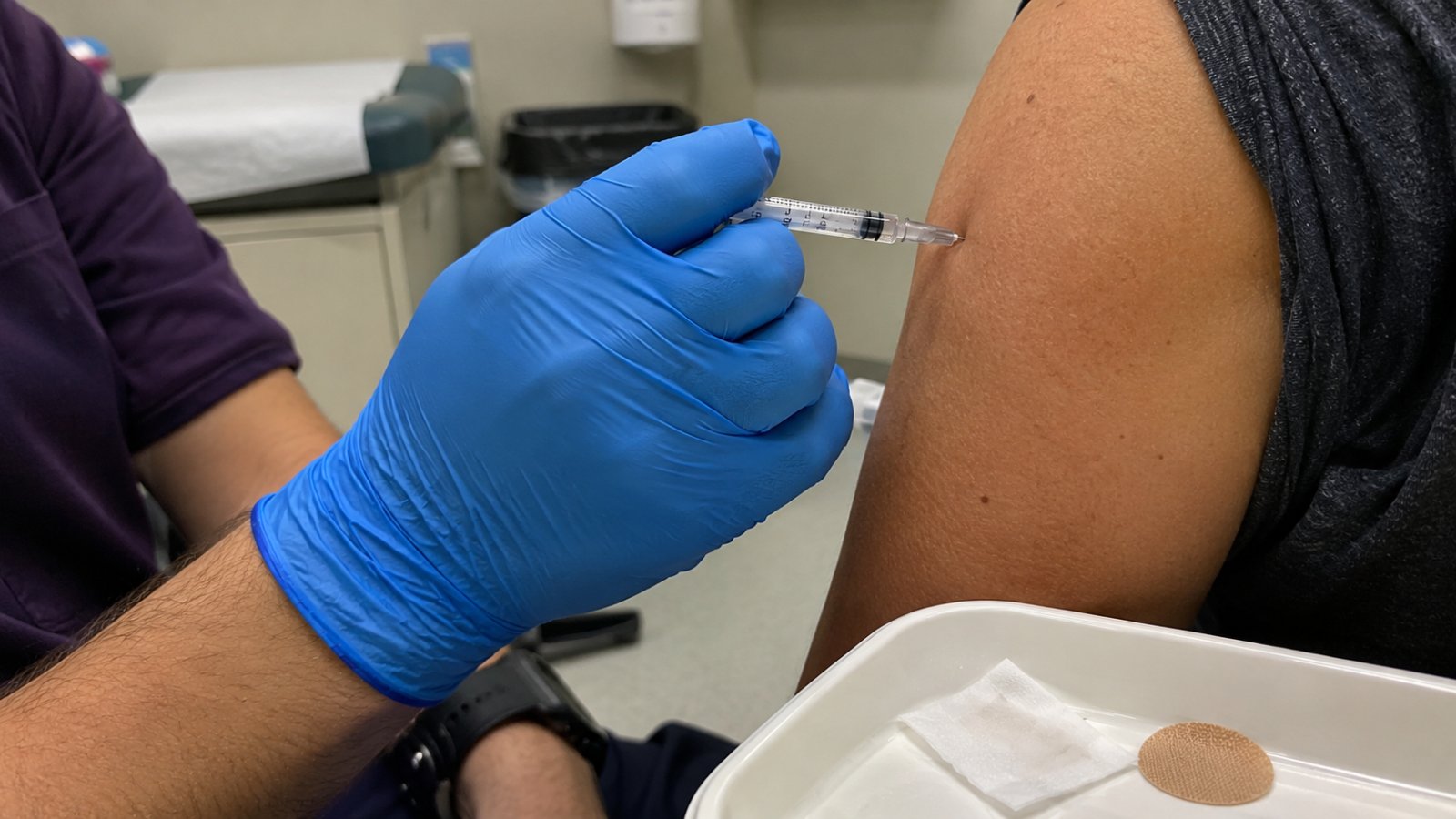
The CDC's measles vaccine page says all adults who do not have evidence of immunity should get at least one dose of MMR vaccine, the combined measles, mumps and rubella shot. A separate CDC page, its vaccine considerations for health care providers, sets out what counts as that evidence.
Four acceptable forms of evidence of immunity are listed in that clinician guidance, among them laboratory evidence of immunity and birth before 1957, while verbal reports of having been vaccinated do not count. The same page says one dose of MMR vaccine, or other presumptive evidence of immunity, is sufficient for most adults, and it adds that outside outbreaks, providers need not routinely screen adults for immunity.
The Ask the Experts answer from Immunize.org on the question is blunter still: "No “booster” doses of MMR vaccine are recommended for either adults or children." It adds that adults who already have evidence of immunity need nothing more.
The CDC's advice of two doses for certain groups, set out further down, fits alongside that answer, because the second MMR dose in a two-dose course completes the course rather than serving as a booster to an earlier one.
Birth before 1957 counts on its own as evidence of immunity in the CDC clinician guidance, so adults born before that year need no vaccination record or blood test. Measles vaccines first became available in the United States in 1963, and before then measles was a common childhood infection. For adults born in 1957 or later, birth year counts for nothing, and the question turns to other evidence, such as documented doses or laboratory evidence.
For most of those later-born adults, one documented MMR dose is enough under the clinician guidance. Vaccination in 1963 to 1967 can be the exception, depending on the vaccine used, and outside that period the two CDC pages give no separate rule based on the year a dose was given.
An inactivated, or killed, measles vaccine available in 1963 to 1967 "was not effective", the CDC's measles vaccine page says. It advises that people who received that vaccine, or who were vaccinated in those years with a vaccine of unknown type, get the live vaccine, and that advice takes in records from those years that do not name the vaccine.
A live vaccine contains a weakened form of the virus, while an inactivated vaccine contains virus that has been killed, and the MMR vaccine given today is a live vaccine.
One dose of measles vaccine is 93% effective and two are 97% effective, by Martinello's figures in the Globe. The CDC advises two doses for certain groups rather than for all adults, with the doses separated by at least 28 days.
The risk groups named in a Nov. 19 MPR News report, which carries the same line that most people are protected without getting a booster shot, are students, health workers, travelers and people who share a household with someone who is immunocompromised.
| Situation | Counts as protected? | What the guidance says | Source |
|---|---|---|---|
| Born before 1957 | Yes | Birth before 1957 is one of four acceptable forms of evidence of immunity | CDC clinician guidance |
| Vaccinated 1963 to 1967 with the inactivated vaccine or a vaccine of unknown type | No | The inactivated vaccine of those years "was not effective"; the CDC advises getting the live vaccine | CDC measles vaccine page |
| Born 1957 or later, one documented MMR dose | Yes, for most adults | One dose "is sufficient for most adults" | CDC clinician guidance |
| Born 1957 or later, two documented MMR doses | Yes | Two doses are advised for certain groups, at least 28 days apart; no booster doses are recommended for adults or children | CDC measles vaccine page; Immunize.org |
| Born 1957 or later, no records | No evidence of immunity without documentation or lab evidence | Without documentation, vaccinate; laboratory evidence counts, verbal reports do not | CDC measles vaccine page; CDC clinician guidance |

Adults born in 1957 or later with no record of any dose and no laboratory evidence fall under the CDC vaccine page's instruction for that case: without documentation, vaccinate. The clinician guidance rules out verbal reports of vaccination as evidence, so an adult's memory of a childhood shot does not count.
The alternative to vaccinating is a blood test for measles antibodies, usually called a titer, since laboratory evidence of immunity counts on the clinician list. Martinello told the Globe that a titer is an imperfect measure, and MPR's report also describes it as not a perfect measure of protection. For the dose itself, the CDC's vaccine page says "There's no harm in getting another dose", and its clinician guidance says that after vaccination it is not necessary to test for antibodies to confirm immunity, so a documented dose stands as evidence of immunity without a follow-up blood test.
An extra dose is generally harmless unless the person belongs to a group that should not receive the vaccine, MPR reports, giving pregnancy as an example. As a live vaccine, MMR is not given during pregnancy.
Two points remain open in the reports. Neither the Globe nor MPR gives a first name or post for Martinello or Sharfstein, and MPR's report says the CDC has suggested places to find old vaccination records but does not list them.
The CDC clinician guidance limits its advice against routine screening of adults to times outside outbreaks, and in MPR's Nov. 19 report, published in the week the United States lost its measles-free status, Sharfstein said officials sometimes recommend two doses during "stubborn outbreaks".

Dennis Mwangi
Dennis Mwangi covers nutrition and fitness news. He reads the new studies behind each story and reports what they actually found.
View profileMore from Dennis Mwangi
View all →
Stopping statins in people 70 and older raised events to 12.7% from 9.2% in STREAM

Yale analysis finds drugs and exercise lowered epigenetic age, supplements did not
American Cancer Society now recommends PSA tests every two years for men 50 to 69
Recommended for you
More stories →
Foundayo for Sleep Apnea: What the Trial Shows Next to Zepbound and CPAP

Do Alcohol Calories Count? The 98-Calorie Floor and What Comes With It

Three Dairy Servings a Day for 12 Weeks: What the Trial Shows and Where It Stops

Leave a Comment